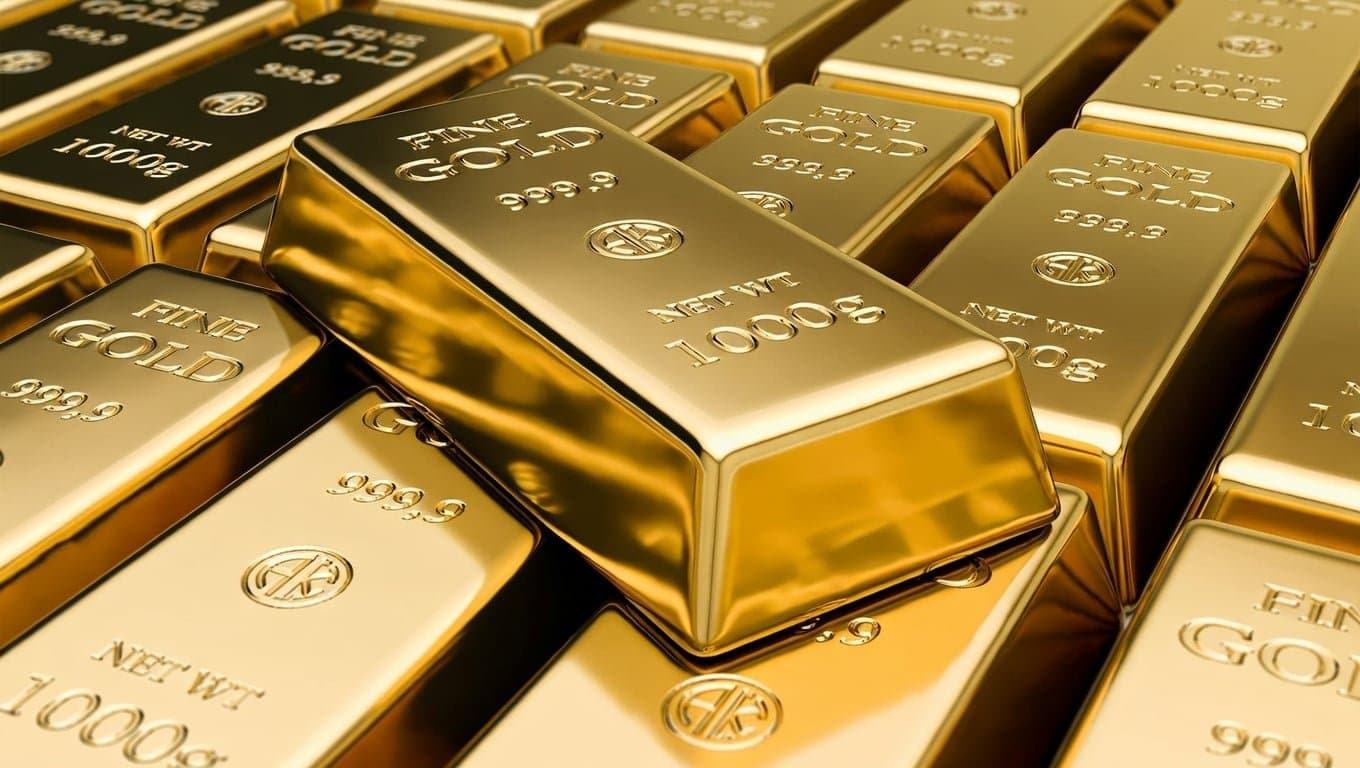
Gold surged to $4,255 an ounce Thursday, its sharpest single-day jump in half a year. The rally came after US-Iran negotiations over the Strait of Hormuz corridor moved tangibly forward, draining geopolitical risk out of crude oil markets and flipping inflation expectations lower almost overnight.
Iranian Foreign Ministry spokesperson Esmaeil Baghaei said an agreement with Oman on a shipping route through the strait was being "finalised." President Trump chimed in that a deal could materialise. Secretary of State Marco Rubio and Treasury Secretary Scott Bessent both signalled negotiations had momentum. The mood shifted instantly. Oil fell. And once oil retreated, traders began erasing rate hike forecasts from their books.
That's the mechanical chain that lifted gold 2% in a single session. Markets were pricing fewer Fed tightening moves by year-end than they had expected just 24 hours prior. Lower rates are oxygen for bullion. Bond yields drop, the dollar weakens, and investors who hold zero-coupon assets suddenly look smarter holding bars instead.
What happens Friday matters more than Thursday
The real test arrives with July's nonfarm payroll report. Economists pencil in 80,000 new jobs. If actual numbers come in hot, the dollar rallies and gold gets slapped. If they miss badly, the Fed stays loose and bullion keeps flying. Unemployment is expected to hold at 4.2%, a level that still gives policymakers breathing room.
Gold's market cap has expanded by $1.3 trillion in recent weeks, touching roughly $30 trillion as physical demand from central banks and retail hedgers continues grinding higher. The six-week high tells you retail sentiment is shifting too. That's when you see real money moving, not just algorithmic rebalancing.
This material is for informational purposes only and should not be considered financial advice. Always consult with a qualified advisor before making investment decisions.