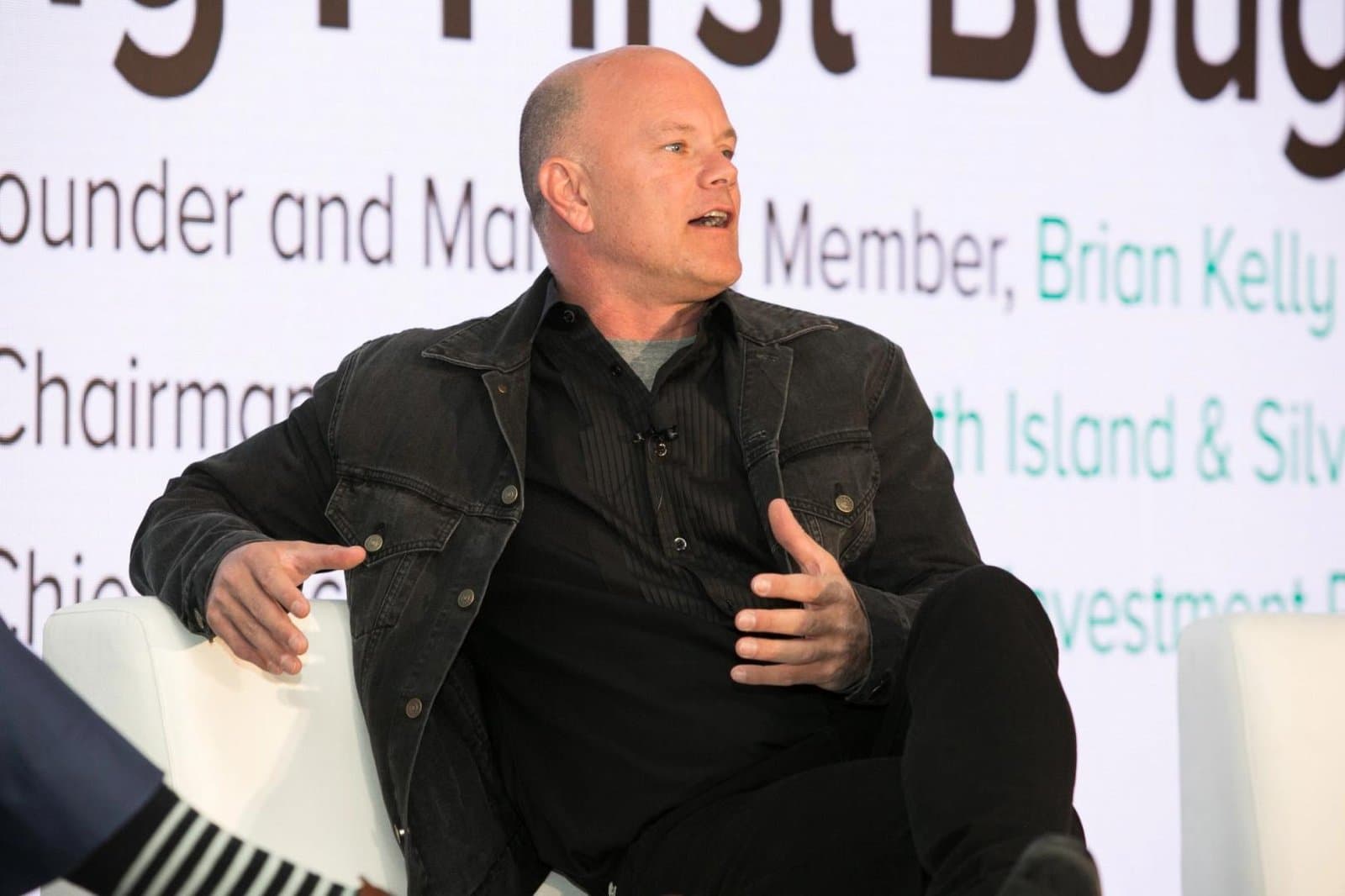
Galaxy Digital shares fell 5% in premarket trading after the company reported second-quarter results that beat on earnings but came up short on revenue. The $85 million net loss was a significant improvement from the $216 million loss in Q1, and per-share losses narrowed to $0.09 against Street expectations of $0.28. Revenue hit $8.8 billion, though, falling shy of the $9 billion forecast.
The real story here is the company's pivot toward data-center infrastructure. Galaxy's digital assets operation pulled in $66 million in adjusted gross profit, up 34% from the prior quarter despite trading volume actually dropping 7%. That resilience matters. But it's Helios, the massive data-center campus in West Texas, that's starting to move the needle.
Data Center Revenue Arrives
Helios generated revenue for the first time this quarter after Galaxy completed Phase I. The company is supplying 200 megawatts of gross power to CoreWeave, with 133 megawatts of usable IT capacity, under a 15-year lease agreement. That segment alone posted $20 million in adjusted gross profit and $11 million in adjusted EBITDA, a sharp turnaround from a $900,000 adjusted EBITDA loss in Q1.
More critically, Galaxy expects Phase I to generate roughly $80 million in quarterly revenue starting Q3. That's substantial money flowing from infrastructure rather than trading floors. The company is also sitting on another 830 megawatts of approved capacity at Helios still available for lease, and management acquired three additional Texas sites for future data-center buildouts.
Execution Risk Remains
The market disappointment is clear. CEO Mike Novogratz said earlier this year he expected the remaining 1.6-gigawatt capacity to be leased by summer's end, but no new tenants were announced this quarter. Galaxy closed a $3.5 billion private debt offering on July 28 to fund Phase II construction, pushing total debt above $6 billion. That's a heavy load to carry while waiting for additional lease signings.
Helios is a genuine growth engine if lease negotiations close out. The infrastructure story is less volatile than trading and generates predictable cashflow. For now, though, Galaxy needs to prove it can fill the remaining pipeline before the market gets excited about the data-center transition.
This article is informational and should not be construed as financial advice or investment guidance.