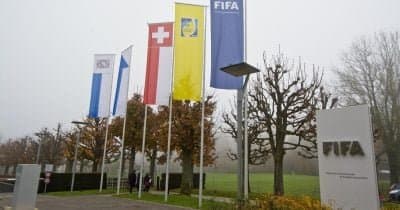
FIFA's ambitious $20 billion plan to launch a commercial arm named FIFA Forward Enterprise has been dropped following intense backlash from key football confederations. The project aimed to boost funding for global football development through a mix of private investment and FIFA’s control but faced threats of boycotts from UEFA, CONCACAF, and the Asian Football Confederation.
How FIFA intended to raise billions
The plan centered on creating a subsidiary to manage World Cup commercial rights and related events. FIFA would keep majority ownership while selling up to 20% to private investors, targeting approximately $4.2 billion in fresh capital. J.P. Morgan was appointed to steer the investment process, with Thrive Eternal, led by Joshua Kushner, expected to lead the private investor consortium.
Funds from this initiative were supposed to fuel infrastructure projects, coaching programs, and women’s football development across FIFA’s 211 member associations.
Confederation resistance and governance concerns
Opposition quickly mounted as several confederations voiced concerns over governance shifts this structure would create. Private equity involvement threatened to reduce confederations’ influence in favor of FIFA’s Zurich leadership. This discontent escalated to boycott threats of FIFA events and even led to the resignation of Carlos Cordeiro, a senior FIFA advisor. Ultimately, FIFA conceded it could not proceed without broad member approval and shelved the project.
The unspoken crypto dimension
Despite the scale of FIFA’s traditional finance initiative, the plan did not involve any cryptocurrency or blockchain elements. However, blockchain analysis firm Chainalysis estimates that on-chain prediction markets related to the 2026 World Cup could see activity reaching $20 billion surpassing what FIFA sought from private investors. This contrast highlights how crypto-native platforms might handle vast amounts of capital and engagement without the political friction FIFA faced.
The episode illustrates the challenges of navigating traditional financial models within global sports governance and hints at the untapped potential of decentralized finance in large-scale event markets, much like those emerging with permissionless event markets.
This material is for informational purposes only and does not constitute financial advice.