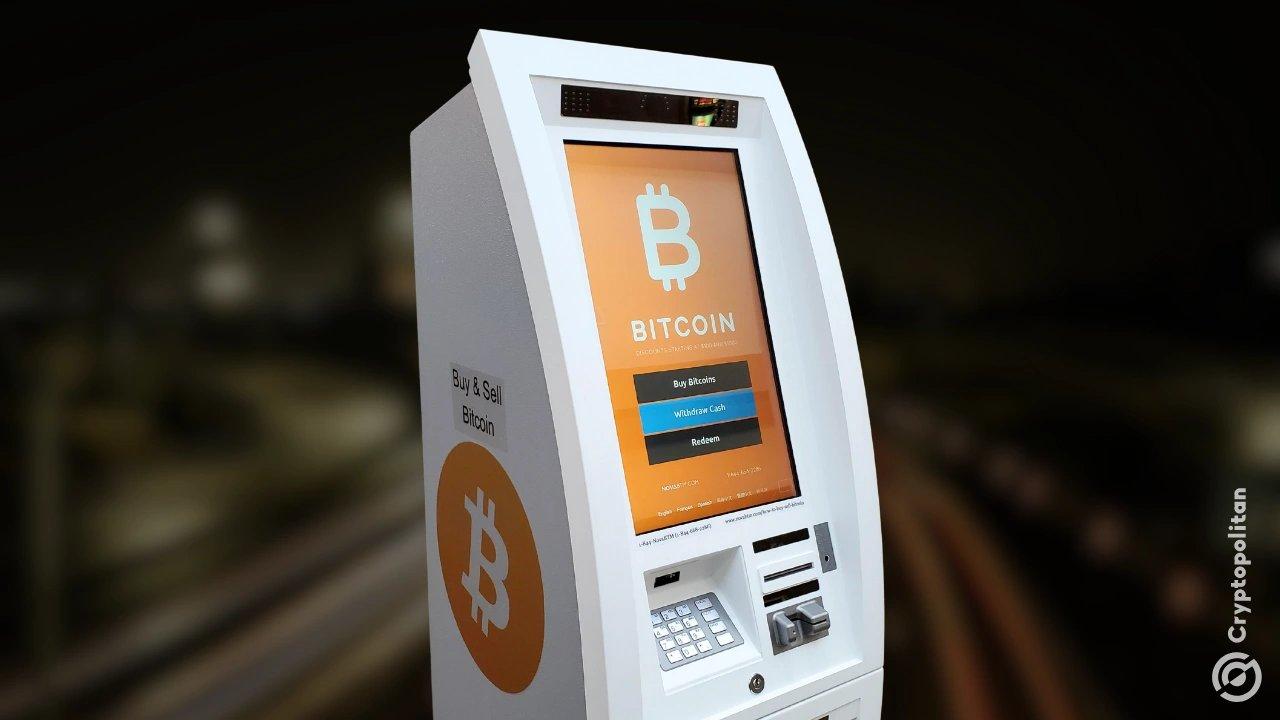
A federal judge has declined to grant a request to block Tennessee’s recently enacted ban on cryptocurrency ATMs. This ruling allows the law to remain in effect while a legal challenge proceeds, marking a significant moment for the kiosk sector in the face of increasing regulatory scrutiny.
Context of the Ruling
The decision, made by U.S. District Judge Travis McDonough, pertains to Tennessee's Public Chapter 766. This law classifies the installation or operation of a virtual currency kiosk as a Class A offense. The ruling comes amidst a broader trend where several states are tightening regulations or outright banning cryptocurrency ATMs to combat rising fraud, particularly targeting vulnerable populations like the elderly.
Implications of the Decision
While the court did not directly address the constitutionality of the law, it gave insights into the legal landscape concerning crypto ATMs:
- The judge found that plaintiffs failed to meet the burden of proof needed to halt the law's implementation.
- CoinFlip, along with other plaintiffs, argued that the ban would impact interstate commerce and cause significant damage.
- The court highlighted the importance of consumer protection as a prevailing interest over the plaintiffs' need for emergency relief.
This case could set a critical precedent for how states are permitted to regulate or prohibit cryptocurrency ATMs in the future.
What's Next?
The proceedings will continue as plaintiffs prepare to present further arguments regarding the law's potential infringement on constitutional rights. As the legal battle unfolds, stakeholders in the crypto ATM sector will be monitoring the situation closely to assess the long-term impacts of this ruling.
This material is for informational purposes only and is not financial advice.