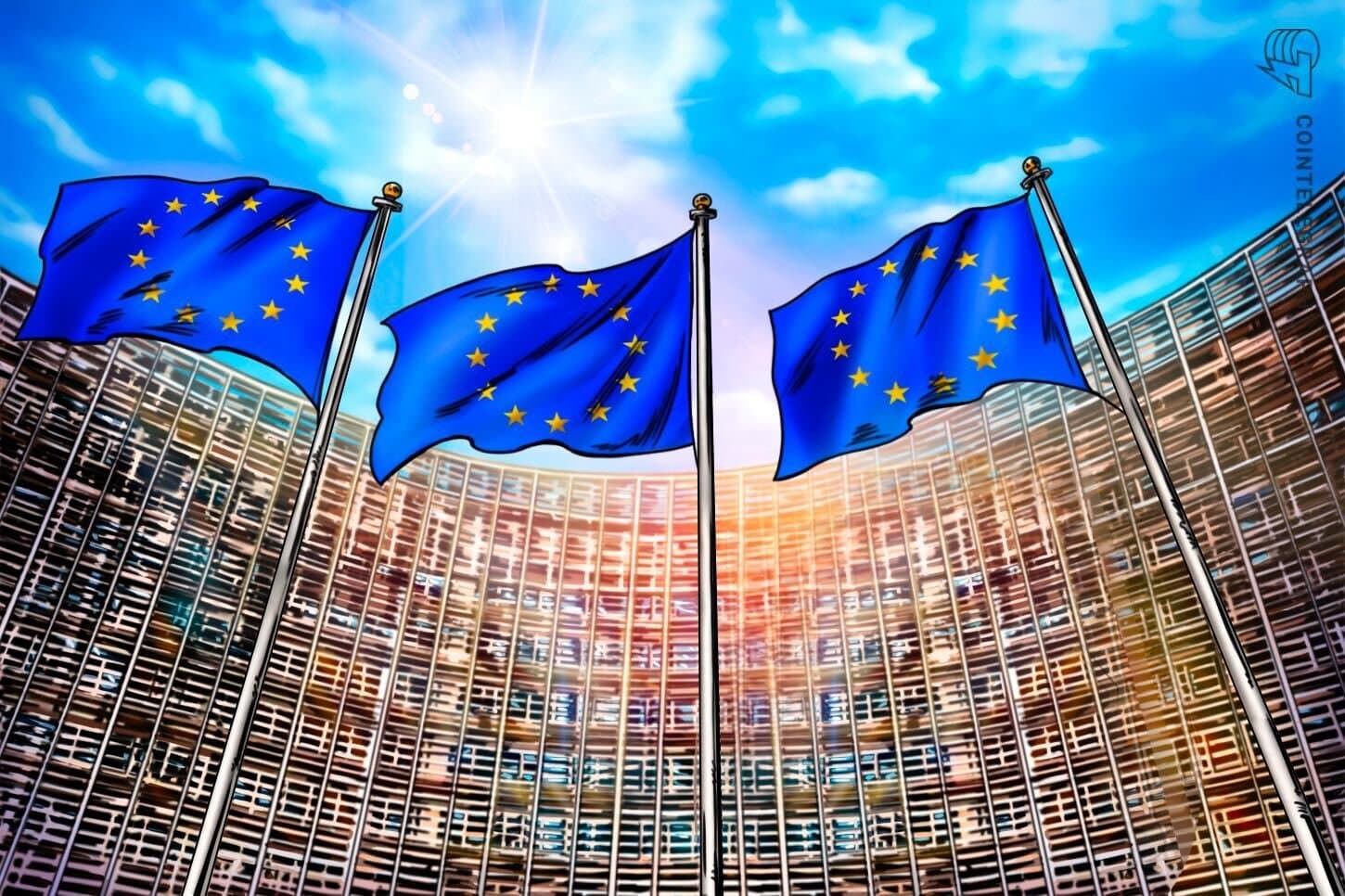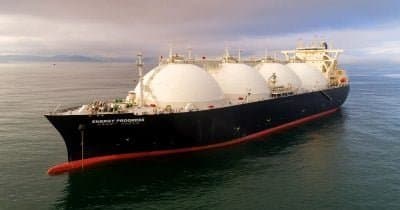
Recent commercial shipping data reveals that European countries have spent significant sums on Russian liquefied natural gas (LNG) during the first half of 2026. This trend continues despite NATO's increased defense spending and ongoing support for Ukraine amid the protracted conflict with Russia. The European Union has aimed to reduce its reliance on Russian gas, yet imports, particularly LNG, have risen by 11% year-on-year as of early 2026, underscoring the complexities of the geopolitical situation.
This continued financial engagement with Russia complicates the overall stance of NATO and raises questions regarding military dynamics in the region. Current market analyses suggest that the financial inflow from Europe may correlate with Russian military actions, especially concerning potential advancements towards Sloviansk by the end of 2026. Currently, prediction markets estimate a 21.5% chance that Russia will enter Sloviansk, indicating deep-seated concerns regarding ongoing hostilities.
While the EU aims to curtail these imports, the reality shows a disconnect between policy intentions and market behaviors. The dependency on Russian LNG not only serves as a lifeline for the Kremlin but also leads to a paradox where European financial support appears to undermine NATO's defensive efforts. The potential for sustained military operations by Russia is seemingly factored into market expectations, complicating the landscape further.
Future developments regarding EU energy policies may be critical in shaping market perceptions. A successful reduction of Russian LNG imports could significantly alter current energy and military dynamics. Furthermore, NATO’s military support actions and adaptations to Russian strategies will be critical indicators for stakeholders. The international community should also monitor sanctions and diplomatic efforts that could influence market trajectories and military movements.
This material is informational and should not be considered financial advice.