Ethereum is gearing up for its significant upgrade, Glamsterdam, which is set for H2 2026, while facing a backdrop of weakening DeFi liquidity. The upgrade aims to improve the network's protocol at a fundamental level by introducing parallel transaction processing and increasing the gas limit from 60 million to 200 million, which could enhance throughput during high-demand periods.
Importance of the Glamsterdam Upgrade
This upgrade represents a vital infrastructure improvement for Ethereum, notably following the adverse effects from Q2's DeFi exploits that drained over $10 million from Ethereum's Total Value Locked (TVL) in the ecosystem. As the network works to rebuild user activity and liquidity, the Glamsterdam upgrade is seen as a pivotal moment.
- Glamsterdam upgrade is targeted for H2 2026
- Gas limit increase: from 60 million to 200 million
- Ethereum’s TVL dropped from nearly $35 billion in Q1 to around $13 billion
- Approximately $5.82 billion in stablecoin supply has been wiped out over the last four months
While Ethereum started Q3 with an 11% gain, maintaining this momentum relies on more than immediate capital flows. A successful upgrade could provide a more sustainable foundational narrative, potentially supporting an infrastructure-led rally.
Challenges Facing Ethereum's Liquidity
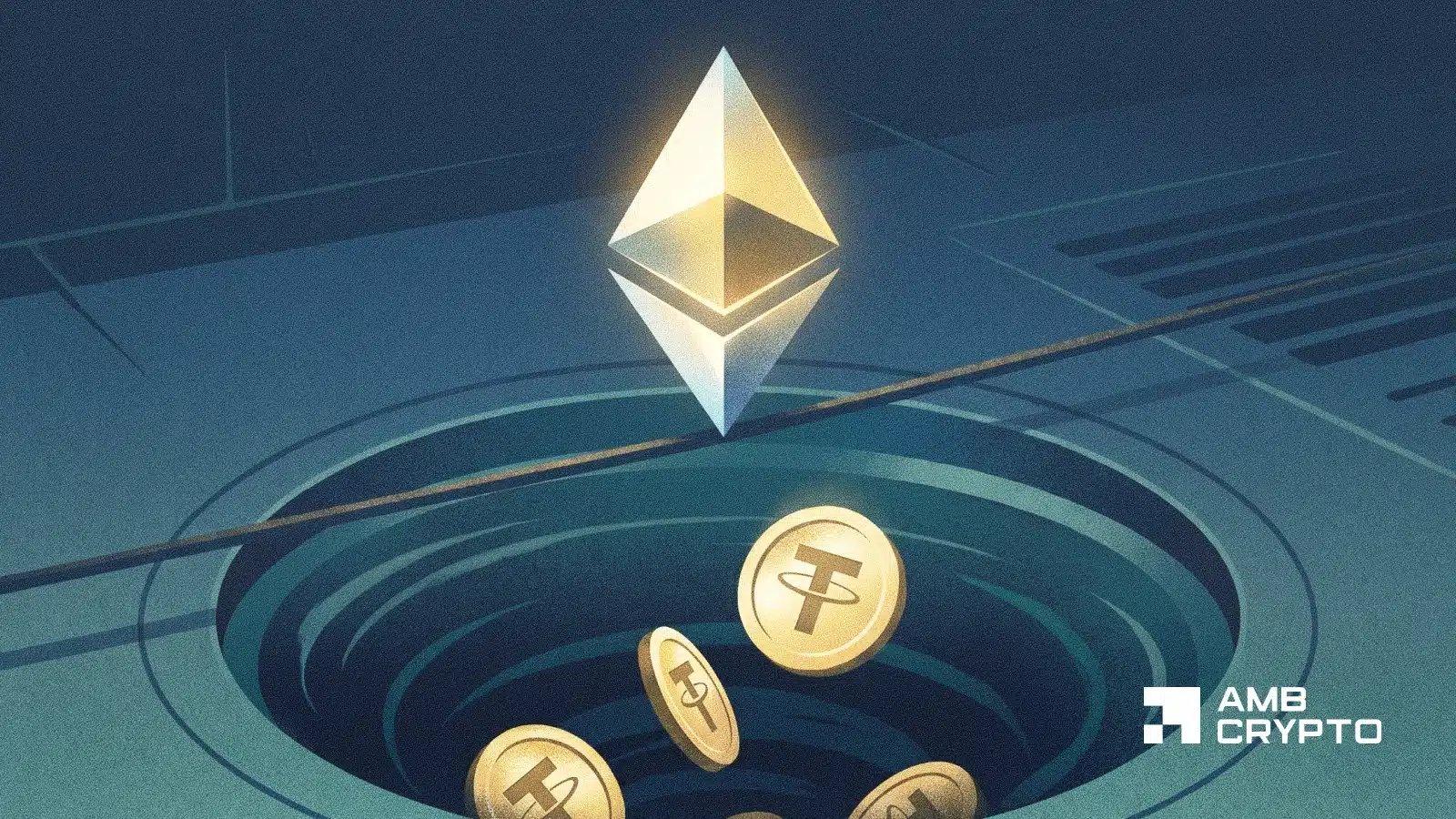
The overall environment for liquidity remains fragile, with stablecoin market capitalization declining to a four-month low and Tether burning $2.5 billion in USDT. The current total USDT supply on Ethereum stands at roughly $77 billion. This decrease in stablecoin liquidity puts additional pressure on Ethereum’s ecosystem, especially with TRON now surpassing Ethereum in USDT supply.
The juxtaposition of the Glamsterdam upgrade's anticipated benefits against declining DeFi activity raises critical questions about Ethereum's performance in the latter half of the year. As the market navigates this situation, the reliance on stablecoin flows remains a vital concern.
Looking Ahead: What to Watch For
As the Glamsterdam upgrade unfolds, the key indicators to monitor will include Ethereum's ability to recover TVL, the effectiveness of the upgrade in increasing network capacity, and the broader trends in stablecoin availability. The coming months will be crucial in understanding the trajectory of Ethereum amid macroeconomic uncertainties and fluctuating on-chain activity.
This material is for informational purposes only and does not constitute financial advice.