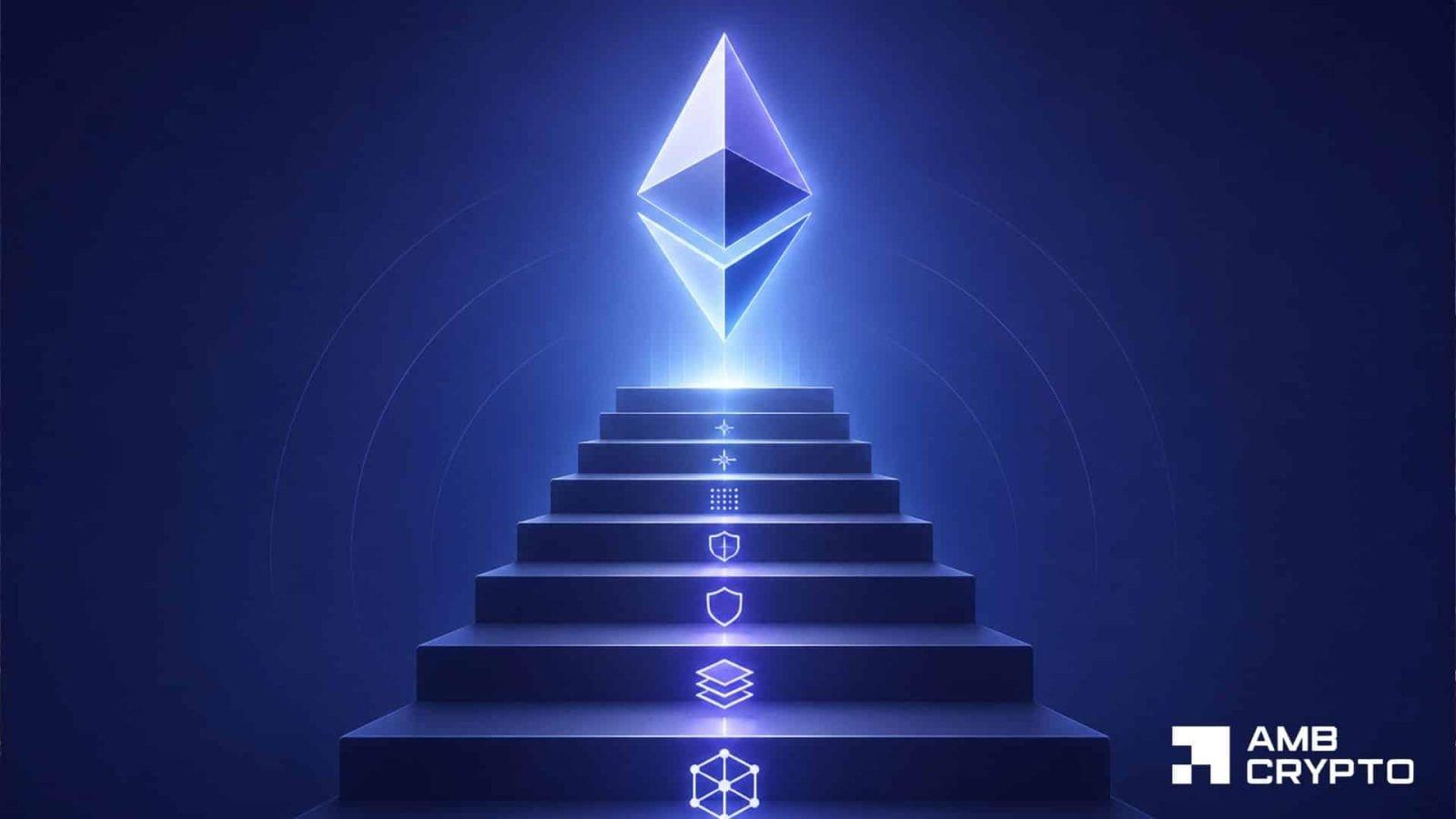
Ethereum has initiated a transformative phase with the introduction of its 'Lean Ethereum' roadmap, designed to revamp the network over a timeframe of three to four years. This comprehensive plan is not merely a single upgrade, but a strategic overhaul targeting the core components of the Ethereum protocol.
Key Features of the Lean Ethereum Initiative
The proposed roadmap features several innovative upgrades, including recursive STARKs, quantum-safe cryptography, multidimensional gas, and a redesigned state architecture aimed at enhancing both scalability and security. Its implementation is expected to enable Ethereum to increase gas limits while utilizing more efficient state architectures to provide faster finality and reduced transaction fees.
Development and Infrastructure Enhancements
Developers are actively translating the ambitions of the Lean Ethereum roadmap into actionable protocol upgrades. Current efforts focus on establishing post-quantum secure protocols alongside scalable state management solutions, addressing significant long-term technical challenges that Ethereum faces in the future. In anticipation of the quantum computing era, developers have launched PQ Devnets 0-4 to evaluate quantum-resistant cryptographic measures while ensuring compatibility with existing wallets.
Furthermore, the groundwork for this future-oriented revision of Ethereum has been set by Glamsterdam through initiatives such as ePBS, which focuses on protocol simplification and increasing gas limits beyond 200 million.
State Management Innovations
Alongside necessary infrastructure improvements for expedited and secure transactions, Ethereum's developers are restructuring state management utilizing Verkle trees, state expiration models, and scalable storage strategies. These innovations aim to minimize validation costs and reduce synchronization times for nodes, all while maintaining decentralized functionalities.
The upcoming enhancements are essential for maturing Ethereum's underlying technology, enabling a safe expansion in scalability and cost reductions over the next decade. The overall strategy aims to fortify Ethereum's long-term resilience while minimizing disruptions for current applications.