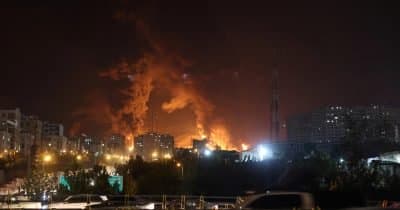
Recent comments by political scientist Robert Pape shed light on the rising military tensions involving Iran, emphasizing the risks of targeting its infrastructure. Pape suggests that such actions could provoke wider regional instability rather than resolve the ongoing conflict.
As the situation develops, markets are particularly focused on the Strait of Hormuz, a crucial chokepoint for global oil transport. Current market indicators reveal a declining probability of normal traffic flow by August 31, decreasing from 28% to 15.5% in just one week. This change suggests growing apprehension regarding possible reprisals and escalating hostilities.
Pape's analysis carries significant geopolitical implications, reflected in prediction markets. Participants appear increasingly doubtful about the likelihood of a peaceful resolution in the short term. The stability of the Iranian regime is also under scrutiny, with the probability of its fall by September 30 sitting at a mere 3.9%, even as this figure has seen a slight uptick recently.
Market Sentiment and Future Developments
In the weeks ahead, tensions between Iran and the U.S.-Israel coalition are expected to be a focal point, particularly concerning any military escalations or potential diplomatic solutions. Official updates from either side regarding peace negotiations or shifts in military tactics could significantly alter market sentiment. Furthermore, developments related to Iran's bypass pipeline or repercussions from further infrastructure attacks will be critical to observe as they may influence the situation at the Strait of Hormuz.
This material is informational and not financial advice.