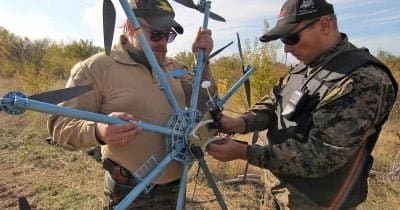
Russian military operations in eastern Ukraine have intensified amid an ongoing surge in drone warfare, particularly around key areas such as Bahmut, Toreck, Kreminna, and Luhansk. Both Russian forces and Ukrainian defenders are increasingly deploying drones to disrupt supply routes and apply persistent pressure without broadening the conflict beyond current battle lines.
Recent clashes suggest a tactical shift focusing on attrition rather than territorial expansion. Moscow’s efforts appear concentrated on advancing towards Sloviansk, though market estimates put the probability of Russian forces entering the city by the end of 2026 at 18%. This figure has remained stable, reflecting sustained uncertainty about the outcome of ongoing engagements.
The widespread use of drones serves as a force multiplier for both sides, enabling reconnaissance and targeted strikes that inflict damage while limiting direct human casualties. This method of warfare shows a strategic choice to avoid escalation into a larger geopolitical confrontation.
Observers continue to monitor troop movements and drone operations closely. Official statements regarding control changes in contested zones will be critical indicators. also shifts in international military aid and diplomatic responses could affect how the conflict develops over the following months.
This material is informational and does not constitute financial advice.