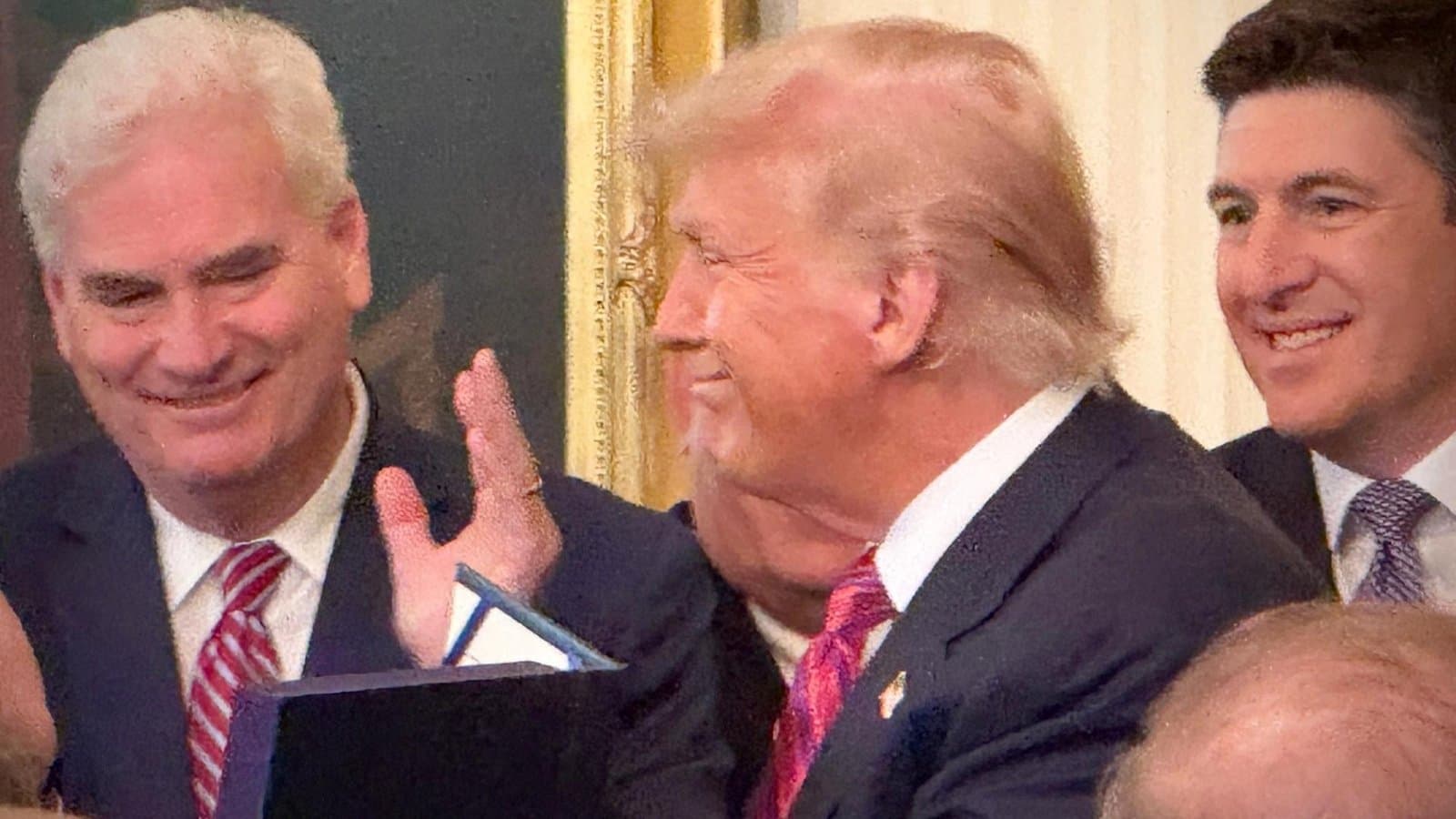
Ongoing negotiations among Democrats regarding the crypto Clarity Act have increasingly focused on President Donald Trump's significant financial interests in the cryptocurrency sector. As lawmakers prepare to address potential conflicts of interest for U.S. officials in the proposed legislation, concerns about Trump's recent disclosure of a $1.4 billion increase in wealth due to crypto investments complicate these discussions.
Ethics Provisions Under Scrutiny
In a recent briefing for U.S. Senate Democrats, advocacy groups led by Senator Chris Murphy have argued for stricter ethics provisions within the Clarity Act. This includes proposals to limit government officials' ownership of cryptocurrency assets, aiming to prevent further profits for Trump from the very industry his administration oversees. The current draft of the Clarity Act is reported to be lacking in clear guidelines on this crucial ethics section, raising the stakes as the Senate approaches a deadline for a vote.
The urgency surrounding this issue is amplified by the impending summer recess and the upcoming midterm elections, creating pressure for a timely resolution. Negotiations had indicated a possibility of delaying ethics implementation, which would allow officials like Trump to retain their holdings momentarily. However, recent feedback suggests that this approach may not satisfy all parties involved, thus hindering the legislative process.
Implications for the Crypto Industry
The outcome of these discussions has significant implications for the cryptocurrency market. Market participants are closely watching the legislative trajectory, as any restrictions on government officials’ involvement in crypto could reshape regulatory frameworks. A new draft of the Clarity Act is expected to be released soon, but it remains unclear if it will comprehensively address the ethics concerns raised.
Industry insiders express a mix of anticipation and apprehension regarding the potential final provisions of the bill. The extended discussions could impact the timing and effectiveness of future regulatory measures as the Senate gears up for a critical vote.
This material is for informational purposes only and does not constitute financial advice.