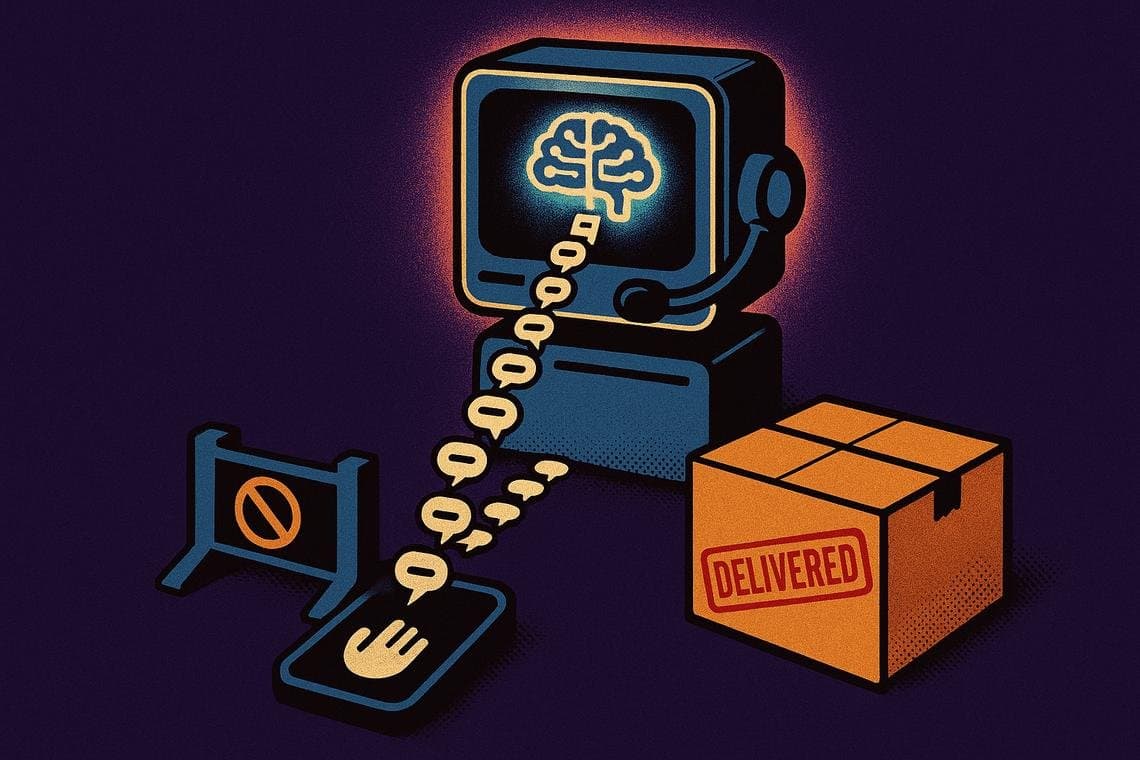
After spending nearly $2,000 on an ebike, Dillon Thompson found himself in a frustrating situation when FedEx confirmed the package was delivered, signed for by someone named "M.M." a person unknown to Thompson or his fiancée. This incident highlights a growing issue with customer service: the reliance on AI-driven chatbots that fail to effectively resolve problems.
Thompson's quest for assistance turned into a long, arduous process, involving multiple chatbot interactions with FedEx, his bike retailer, and even the Atlanta Police Department. Each attempt at finding a solution was met with the same robotic responses, leaving him feeling ignored and stuck in an endless loop of automated systems.
A recent survey revealed that 31% of customer service leaders are reducing or planning to reduce staff due to the implementation of AI. This shift is at odds with consumer preference, as 85% of respondents indicated they would rather speak with a human representative. The reliance on chatbots may ultimately harm companies, as experts warn of potential reputational damage and financial losses.
Consumer Frustration with AI
The frustrations are particularly pronounced in sectors where immediate, human intervention is necessary. In Thompson's case, the automated responses dominated his experience. When he called the police to report a theft, he was met with a chatbot that took his details but failed to provide timely support. After two separate police reports, he got minimal assistance, further highlighting the shortcomings of AI systems in urgent situations.
The Consequences of AI Dependence
Despite being an efficient tool for handling routine inquiries, AI chatbots often struggle with complex issues. For instance, when Thompson ultimately tried to resolve his missing bike issue, he received an automated email from FedEx that did little more than acknowledge the problem, suggesting he contact the shipper. Even after all his efforts, the only compensation offered was a mere fraction of his bike's cost approximately 10% of what he originally paid.
As companies continue to embrace AI solutions, the gap between consumer expectations and the capabilities of these systems grows wider. The experience of customers like Thompson serves as a cautionary tale for businesses fully investing in AI without recognizing the need for human support in customer service.
This article is for informational purposes only and does not constitute financial advice.