CoinEx Claims No Awareness of Facilitating Iran's Sanctioned Crypto Market Amid $3.8 Billion Gap
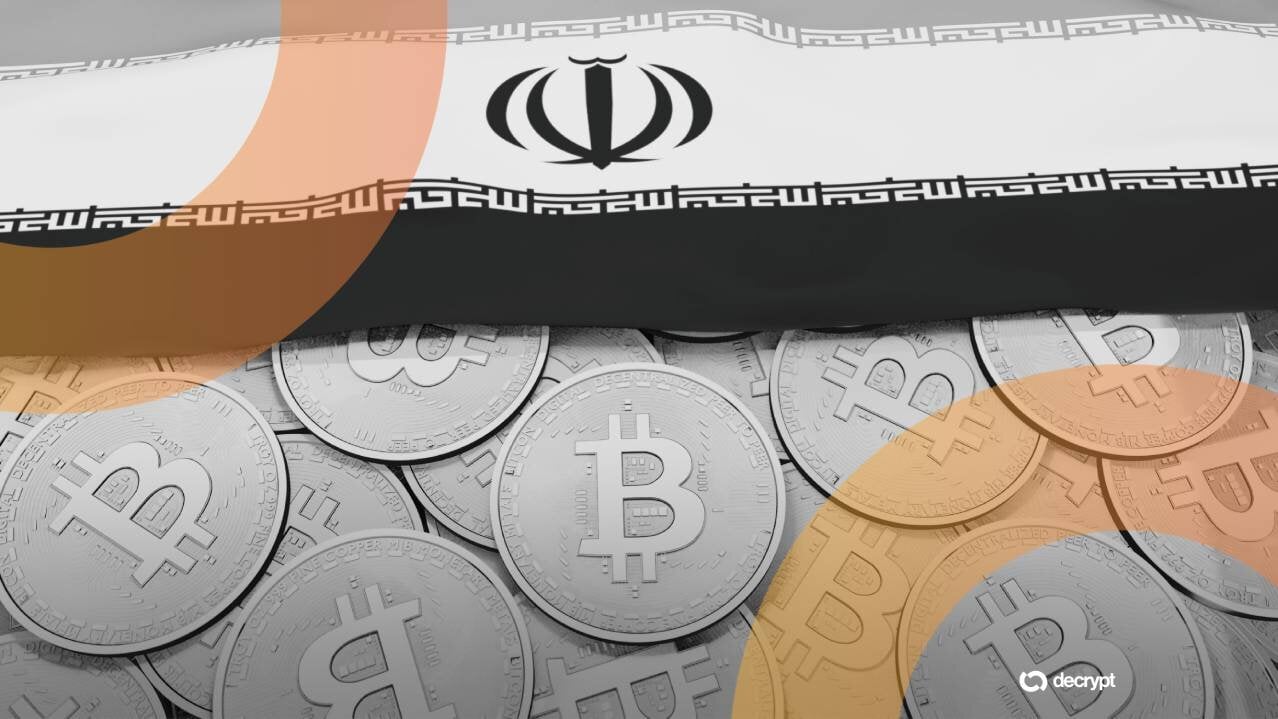
Cryptocurrency exchange CoinEx has publicly denied having any knowledge that its platform was being used to support Iran's sanctioned digital asset market, even as investigators have uncovered a staggering $3.8 billion discrepancy that suggests otherwise.
The controversy centers on allegations that CoinEx served as a conduit for Iranian users seeking to bypass international financial sanctions. Despite mounting evidence pointing to significant transaction volumes flowing through the exchange from sanctioned entities, CoinEx maintains that it had no awareness of facilitating such activity.
The $3.8 billion figure represents the core of the dispute. Researchers and compliance analysts tracking blockchain activity identified this sum as the apparent gap between what CoinEx claims to have monitored and what on-chain data reveals about transactions tied to Iranian users and entities operating under U.S. and international sanctions regimes.
This case raises broader questions about how cryptocurrency exchanges enforce Know Your Customer (KYC) and Anti-Money Laundering (AML) protocols, particularly when dealing with jurisdictions that are subject to strict sanctions. Critics argue that the sheer scale of the alleged discrepancy makes it difficult to accept claims of complete ignorance on the part of the exchange's compliance team.
Regulatory scrutiny of crypto platforms has intensified in recent years, with authorities in multiple countries pushing for tighter oversight of digital asset transactions. Exchanges operating globally are expected to implement robust systems capable of identifying and blocking transactions that could violate international sanctions, including those targeting Iran.
CoinEx has not provided detailed technical explanations for how such a large volume of potentially sanctioned activity could have gone undetected. The exchange has, however, reiterated its commitment to regulatory compliance and stated that it cooperates fully with relevant authorities.
For the broader crypto industry, this situation underscores the ongoing tension between the decentralized, borderless nature of digital assets and the compliance obligations that regulated financial intermediaries must meet. As blockchain analytics firms grow more sophisticated, exchanges face increasing pressure to demonstrate that their monitoring systems are genuinely effective rather than merely performative.
The outcome of this case could have significant implications for how other exchanges approach sanctions compliance going forward, potentially prompting regulators to demand more rigorous and transparent reporting mechanisms from the industry as a whole.