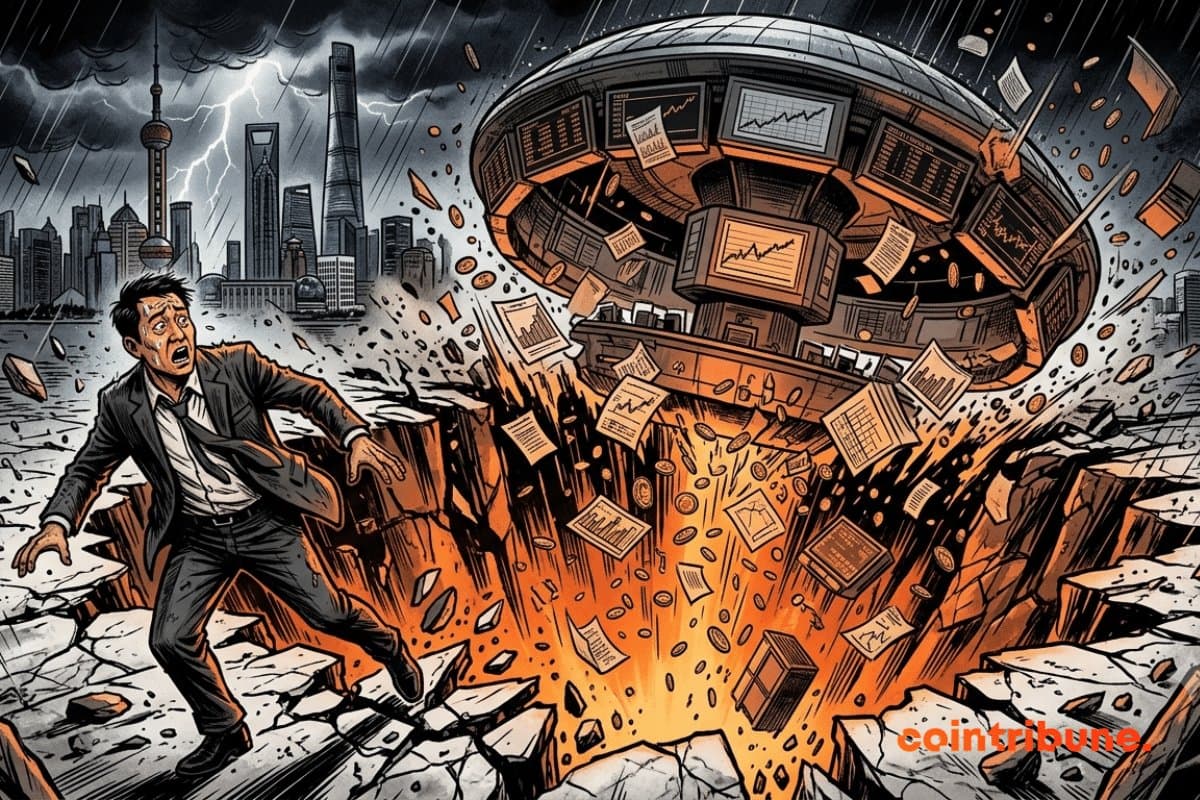
This Monday, July 13, 2026, a sudden flash crash at the Shanghai Stock Exchange erased 2.5 trillion yuan in a mere 15 minutes, instigated by US military strikes on Iran. The drastic downturn reflects not just the immediate response of investors, but also the deeper systemic vulnerabilities within China's financial markets in the face of global energy shocks.
Following the US strikes, oil prices surged, raising alarms about China's energy security and prompting significant action from the Chinese government to stabilize the yuan. The Shanghai Composite Index fell by 2.06% to close at 3,913.79 points, while the Shenzhen Component fared even worse, plummeting 3.48% to 14,522.9 points. These plunges were dominated by losses in the energy sector, with companies like Datang International Power Generation experiencing declines over 9.94%. The incident underscores the sensitivity of the Chinese stock market to external geopolitical events, particularly those that affect energy supplies.
Impact on Investors and Markets
The fallout from this crash extended beyond China's borders, causing ripples of panic in Western markets as Beijing accelerated the liquidation of its US Treasury bonds. This effort aimed to salvage the yuan but inevitably raised concerns about the liquidity and stability of international financial systems. Investors are now increasingly wary of the interconnectedness between geopolitical developments and market outcomes.
Government Response and Future Implications
In response to the market turmoil, the Chinese government has activated emergency measures, instructing national refiners to maximize fuel production to safeguard supply. This directive places immense financial strain on industrial sectors, as refiners are forced to prioritize production at the expense of profit margins. The ongoing struggle to maintain energy security against such external shocks may force significant policy adaptations moving forward. This situation emerges amidst an already fragile domestic economic backdrop, characterized by slowed growth and challenges in the real estate sector.
This material is informational and does not constitute financial advice.