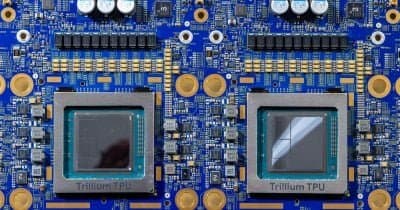
Chinese authorities are preparing to tighten export regulations on advanced artificial intelligence models, semiconductor technologies, and related components. The Ministry of Commerce is actively consulting with leading domestic companies such as Alibaba, ByteDance, Zhipu, and Huawei to develop measures that would restrict foreign entities from accessing critical AI training data and model weights.
Details of Proposed Export Restrictions
The new rules aim to update China’s catalogue of prohibited and restricted exports, which governs the transfer of sensitive technologies beyond national borders. Officials are considering controls that could prevent foreign chip manufacturers, including Qualcomm and TSMC, from fabricating cutting-edge semiconductors based on Chinese designs.
Discussions have also included agentic AI systems, capable of autonomous decision-making and actions, due to concerns over national security risks if these capabilities are transferred abroad through collaborations or acquisitions.
These potential regulations mark a shift toward safeguarding China’s indigenous AI and semiconductor advancements as critical assets amid escalating technological competition.
The move follows a series of US-led export restrictions targeting China’s access to high-performance Nvidia GPUs, ASML’s lithography machines, and coordination with Japan and South Korea to enforce these limits. In response, China has imposed controls on elements like gallium and germanium and retaliatory measures against certain US defense firms.
This latest development signals a more proactive Chinese approach to protect its technology sector and could represent one of the most significant export control revisions in recent years.
This article is for informational purposes and does not constitute financial advice.