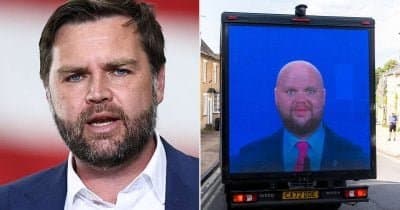
Political hurdles are intensifying for JD Vance, the U.S. Vice President, as his diplomatic agreement with Iran deteriorates. This situation emerges from a recent analysis in The Wall Street Journal, which outlines the collapse of a preliminary Memorandum of Understanding between the U.S. and Iran intended to establish a ceasefire amidst ongoing tensions.
Confidence in a potential U.S.-Iran deal by 2026 has significantly waned, as prediction markets reflect growing skepticism. The likelihood that a future agreement would encompass reconstruction funding has decreased from 32% to 29% in just 24 hours, following reports of renewed hostilities starting July 9, 2026. The disintegration of the ceasefire has raised concerns that the diplomatic avenues may close further.
Additional complexities arise with a noticeable policy divergence between Vance and President Trump regarding military assistance to Ukraine amid the broader Russia-Ukraine conflict. This rift in foreign policy perspectives casts a shadow over the stability of any ongoing negotiations with Iran and raises questions about the overall direction of U.S. foreign policy. Market dynamics now indicate apprehension regarding essential components of any hypothetical agreement, such as reconstruction costs and restrictions on uranium enrichment activities.
Market Reactions
As diplomatic talks falter, participants in prediction markets are adjusting their expectations on the feasibility of a sound U.S.-Iran agreement. Amid fluctuating geopolitical dynamics, potential developments such as military engagements or diplomatic communications will be critical to monitor. Both the Vance-Trump relationship and shifts in U.S. strategy could have profound effects on Iran and the broader region.
Future Considerations
Significant indicators to follow will include forthcoming statements from U.S. and Iranian officials, with an eye on potential escalations or efforts to reinvigorate negotiations. Observers are urged to remain vigilant about the implications of these unfolding events, which will undoubtedly shape the probability of a viable U.S.-Iran deal by the end of 2026. The uncertain political landscape calls for careful analysis, given the rapid fluctuations in both military and diplomatic stances.
This information is for educational purposes only and should not be taken as financial advice.