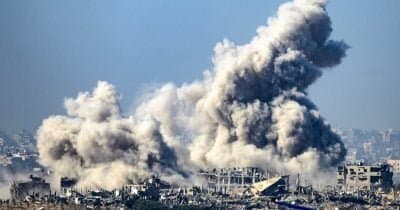
The U.S.-brokered truce between Israel and Hezbollah lasted less than an afternoon. Set to begin at 4 p.m. local time on June 19, 2026, the ceasefire fell apart almost immediately as Israeli warplanes launched airstrikes on what the military described as dozens of Hezbollah positions across Lebanon. Israel cited more than 50 projectiles fired into its territory as justification. Lebanese sources counted at least 20 deaths from the strikes.
This collapse follows a familiar script. An earlier ceasefire from November 2024 was meant to end months of cross-border hostilities. It didn't. A subsequent agreement in April 2026 was extended repeatedly, yet violence continued throughout. Lebanese sources have documented more than 500 Israeli airstrikes since that November 2024 truce, suggesting these agreements function less as genuine pauses and more as theatrical intermissions between acts of the same conflict.
The fundamental gap
Hezbollah frames its rocket fire as retaliation for Israeli strikes, positioning its military activity as resistance rather than aggression. Israel sees it differently, viewing Hezbollah's weapons stockpiling and positional rebuilding as an existential threat that ceasefire language cannot address if the underlying capability remains intact. Neither side has budged from these positions across multiple negotiating rounds.
What this means for markets
Bitcoin's price has remained flat or under pressure since April 2026, a period that coincides almost precisely with intensifying regional tensions. Lebanon's financial system, broken since the 2019 banking crisis, has driven citizens toward dollar cash and, increasingly, cryptocurrency as alternatives to a lira that has lost most of its value. In that specific context, crypto adoption carries genuine grassroots utility. But local demand at that scale cannot move global Bitcoin prices.
The June 19 ceasefire may yet be revived, extended, or replaced by another framework. With more than 500 strikes already counted and each successive agreement proving temporary, the pattern suggests any new truce faces the same structural obstacles that have unraveled every previous attempt.
This article is informational only and does not constitute financial or investment advice.