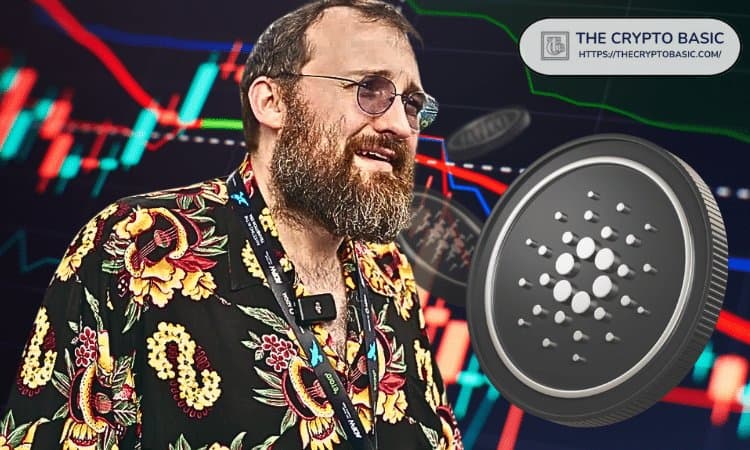
Charles Hoskinson is tired of the graveyard talk. Back in 2021, Cardano hit $3.10 and looked unstoppable, the third-largest crypto by market cap with real buzz that it might dethrone Ethereum. Then it didn't. Solana got the attention, DeFi exploded in other directions, and the internet decided Cardano had become a ghost project. That story stuck.
But Hoskinson says the story is wrong. The community hasn't abandoned Cardano. The technology still works. What broke was the narrative, and that's actually fixable in ways that pure tech problems aren't. It's not about innovation anymore, he argued, it's about convincing the market the project is still moving forward.
Marketing beats engineering right now
Hoskinson zeroed in on the real bottleneck: execution and coordination. The blockchain itself performs. The ecosystem is still there. What's missing is the ability to talk about what's coming without the old failures drowning out the message. He's calling it a narrative reset, but really he means Cardano needs to prove it can ship things, coordinate internally, and build a roadmap people can actually see.
That's harder than launching code. It requires the project to move past the 2021 hype and the 2022-2025 disappointment, then plant a flag on something new. Leios and Peras, the upcoming protocol upgrades, are supposed to be part of that answer, giving Cardano real competitive advantages again. But upgrades only matter if people know they exist.
The timing is key. Crypto markets are sensitive to narrative shifts, and Cardano's window to reset is open but closing. Hoskinson's comments suggest the foundation is finally ready to treat the reputation problem as seriously as the technical one.
This article is informational and does not constitute financial advice. Cryptocurrency investments carry significant risk.