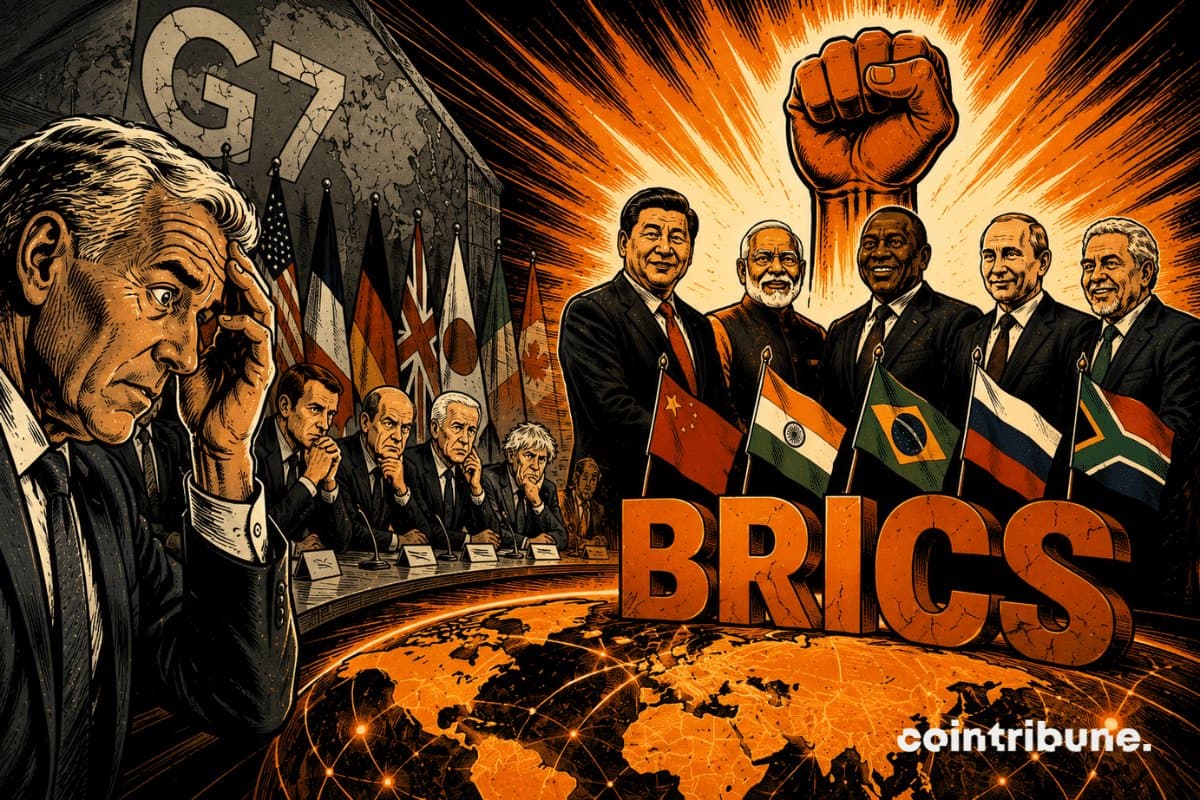
Recent assessments reveal that the combined GDP of BRICS nations has officially overtaken that of the G7 countries, posing a significant challenge to Western economic dominance. Lord Jim O’Neill, who coined the BRIC term, emphasizes this shift, urging that the G7 can no longer ignore the growing coalition of emerging economies.
Geopolitical Shift and Economic Implications
The emergence of new powers such as Iran and the UAE has transformed the BRICS from a mere concept into a solid geopolitical coalition. This shift highlights the strategic economic expansion that is reshaping trade routes and control of global energy resources. The failure of the G7 to adapt to these changes, along with the refusal to reform major institutions like the IMF and World Bank, has driven emerging nations to seek alternative financial architectures.
Economist Lord O’Neill notes, “the West cannot ignore the BRICS for another 25 years,” pointing out that Western powers underestimated the coalition's cohesion and growth potential. The rise of the BRICS signifies a move towards decentralized networks and neutral assets in response to the existing financial order.
Key Data Points Highlighting the Shift
- The BRICS now account for a larger share of global GDP than all G7 countries combined, measured by purchasing power parity (PPP).
- The coalition's expansion includes significant players like Egypt and Ethiopia, further solidifying its geopolitical influence.
This historical reassessment serves as a stark reminder of the changing dynamics in global finance, underscoring the urgency for G7 nations to reconsider their strategies in light of the evolving economic landscape.
This material is informational and not financial advice.