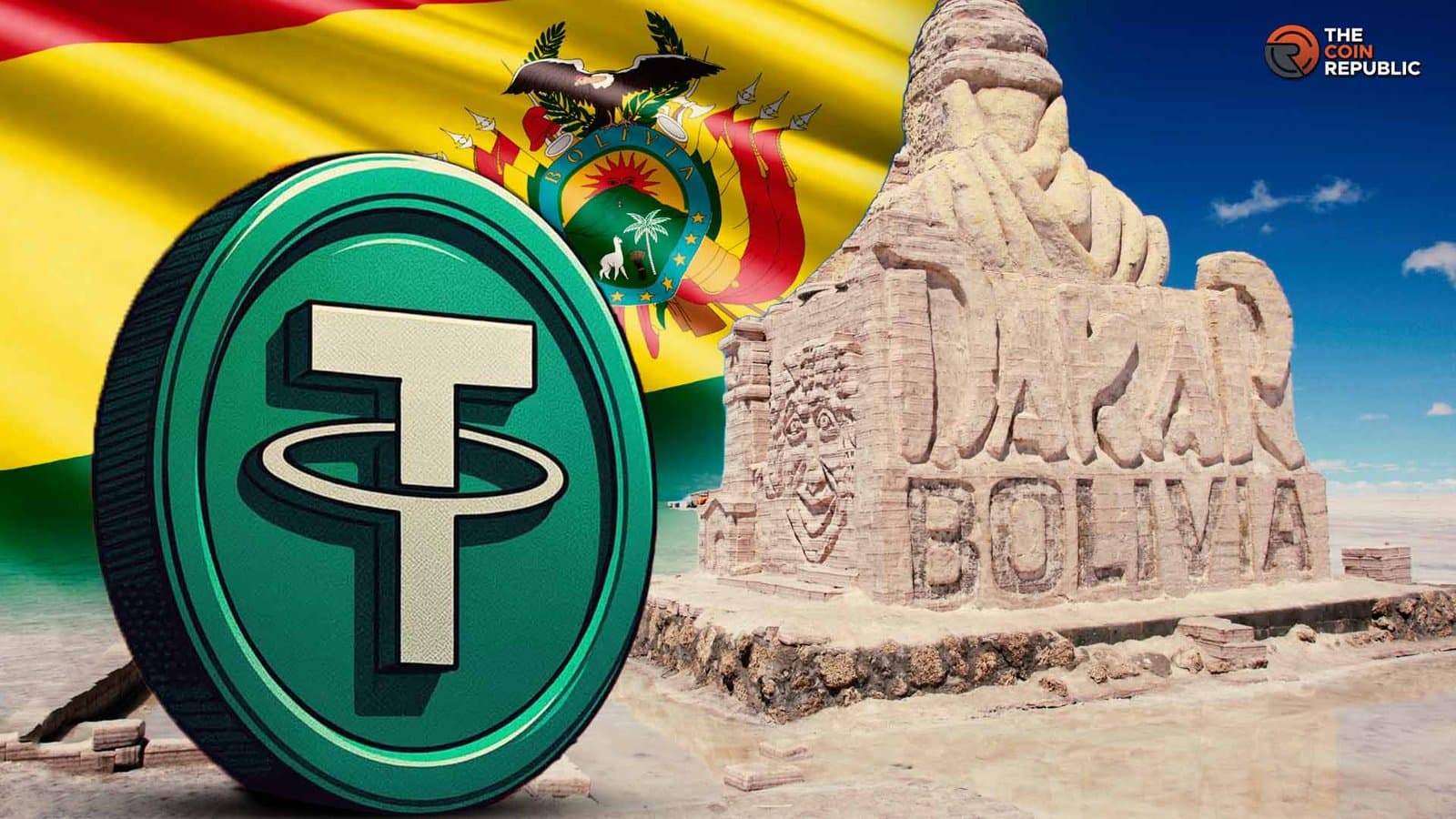
Bolivia is examining the potential integration of Tether's USDT into its national payment infrastructure, a decision that could reshape its economy. This comes amid a growing adoption of USDT, which has gained traction in recent years due to a persistent shortage of foreign currency.
Evaluation of Technical Feasibility
Economy Minister José Gabriel Espinoza announced that the government is conducting a technical assessment to ascertain whether USDT can be formally included in the national payment system. Minister Espinoza highlighted the aim of allowing USDT to operate alongside the existing U.S. dollar and the Bolivian boliviano, enhancing transaction options for citizens and businesses. With prior restrictions on digital financial instruments now lifted, Bolivia is charting a new course in its approach to cryptocurrency regulation.
Regulatory Challenges Ahead
The proposal for USDT integration hinges on the establishment of comprehensive regulations that address concerns related to money laundering and other illicit financial activities. Bolivia's status on the Financial Action Task Force gray list imposes additional scrutiny on any potential integration. The technical evaluation is ongoing, as authorities strive to implement rigorous controls to minimize financial risks associated with digital currencies.
As the country explores this initiative, the regulatory framework will need to balance innovation with security, ensuring the responsible use of digital assets. The groundwork for these discussions was laid in June 2024 when Bolivia lifted its ban on Bitcoin and other cryptocurrencies, reflecting an evolving landscape for digital financial systems.
Domestic Demand Fuels Interest
USDT's popularity in Bolivia has surged, particularly in transactions related to fuel and essential goods during the foreign currency shortage. The average citizen's increasing reliance on USDT shows the urgency for a formalized system that can accommodate digital currencies securely. The current proposal aims to facilitate greater economic flexibility by allowing USDT to coexist with traditional currencies.
This article is for informational purposes only and should not be considered financial advice.