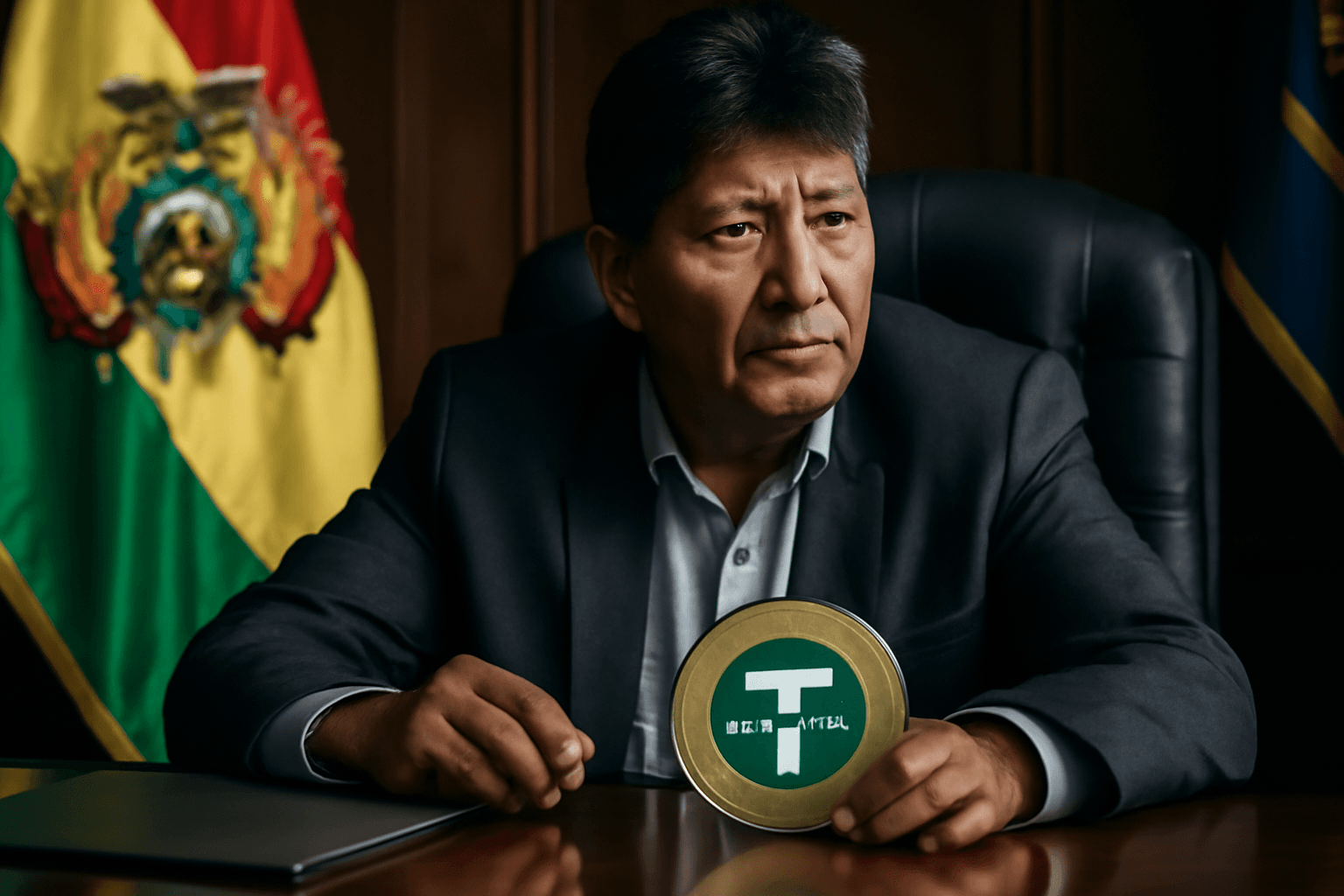
In a significant policy shift, Bolivia is contemplating the official use of Tether (USDT) within its national payment system. This initiative comes as the country grapples with an ongoing shortage of U.S. dollars, which has affected local currency stability.
Current banking entities such as Banco Unión and Banco FIE have already begun to provide services related to USDT, indicating that the necessary infrastructure for broader acceptance may already be in place. If implemented, this move would position Bolivia as the first nation in Latin America to officially incorporate USDT alongside its national currency, the boliviano, and the U.S. dollar.
Economic Context and Implications
The decision to explore USDT comes in response to increasing economic pressures resulting from a prolonged dollar crisis. By integrating a stablecoin like Tether, Bolivia aims to mitigate the effects of this crisis and enhance liquidity in its economy. The use of stablecoins can also provide a more resilient alternative for transactions in an unstable financial environment.
Potential Benefits and Challenges
Employing USDT in a national payment system could yield multiple advantages:
- Enhancing transaction speed and efficiency.
- Providing users with a more stable currency alternative.
- Encouraging technological adoption in financial services.
However, there are challenges to consider, including regulatory implications, technological readiness, and cryptocurrency volatility despite USDT’s peg to the U.S. dollar.
This material is informational and should not be considered financial advice.