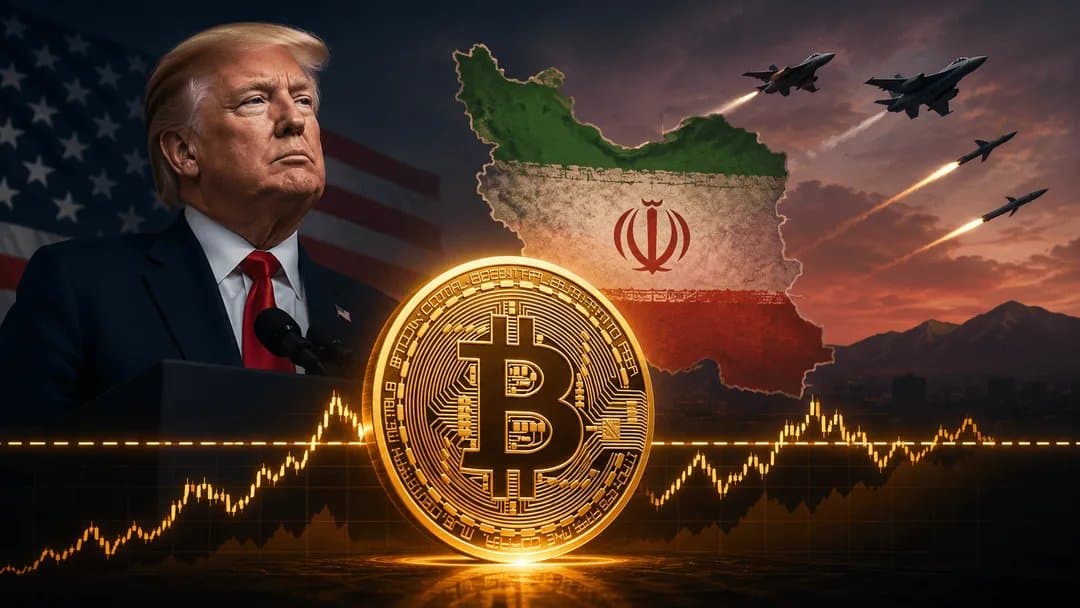
Bitcoin climbed back above $64,000 Wednesday as traders shifted focus to diplomatic developments in the Middle East. Qatar's Foreign Ministry said mediators were actively exchanging draft proposals between Washington and Tehran, aimed at reopening talks and stabilizing shipping lanes through the Strait of Hormuz. The move came after BTC had dipped to $62,400 earlier in the session before buyers stepped in.
The recovery itself was steady but cautious. Bitcoin rose from an intraday low near $63,293 to around $64,438, then settled just above $64,300 by reporting time. Traders watched closely as the price held support above $63,500, with each bounce printing slightly higher lows on short-term charts. The cryptocurrency remained locked in a consolidation zone between $63,500 and $64,000, neither confirming a breakout nor collapsing back down.
What matters now is whether buyers can push through the $64,000 resistance level. If they do, the path opens toward $65,000. If sellers reassert control here, the price could slide back to the support areas tested earlier. The outcome depends partly on how traders interpret the diplomatic chatter.
Qatari officials temper expectations on deal timing
Qatar, Pakistan, and Oman have positioned themselves as go-betweens, coordinating exchanges of draft language between the two sides. Majed Al-Ansari, Qatar's Foreign Ministry spokesperson, emphasized that while contacts had reached "advanced stages," no final agreement existed and no confirmed timetable was set. The discussions center on restarting negotiations, securing a ceasefire, and restoring normal shipping through Hormuz, which handles roughly one-third of global seaborne oil trade.
Iran's public statements complicate the picture. Tehran denies direct talks with Washington are happening, saying current discussions involve only Oman and focus narrowly on Hormuz access. This disconnect between what regional mediators claim and what Iran acknowledges has kept the diplomatic process murky despite reports of movement. Markets hate uncertainty, but they hate it less than outright conflict.
The Strait of Hormuz tension has rippled across asset classes. Stock indices hit records as oil prices fell on hopes of reduced geopolitical risk, and crypto followed the broader risk-on sentiment. Approximately 18,000 Bitcoin left exchange wallets overnight, the largest outflow in two weeks, suggesting some holders were moving coins to private custody rather than trading them outright. That's typically a sign of conviction, though it could also reflect profit-taking or simple portfolio rebalancing.
This material is informational only and should not be construed as investment advice. Cryptocurrency markets remain volatile and geopolitical events can shift sentiment rapidly.