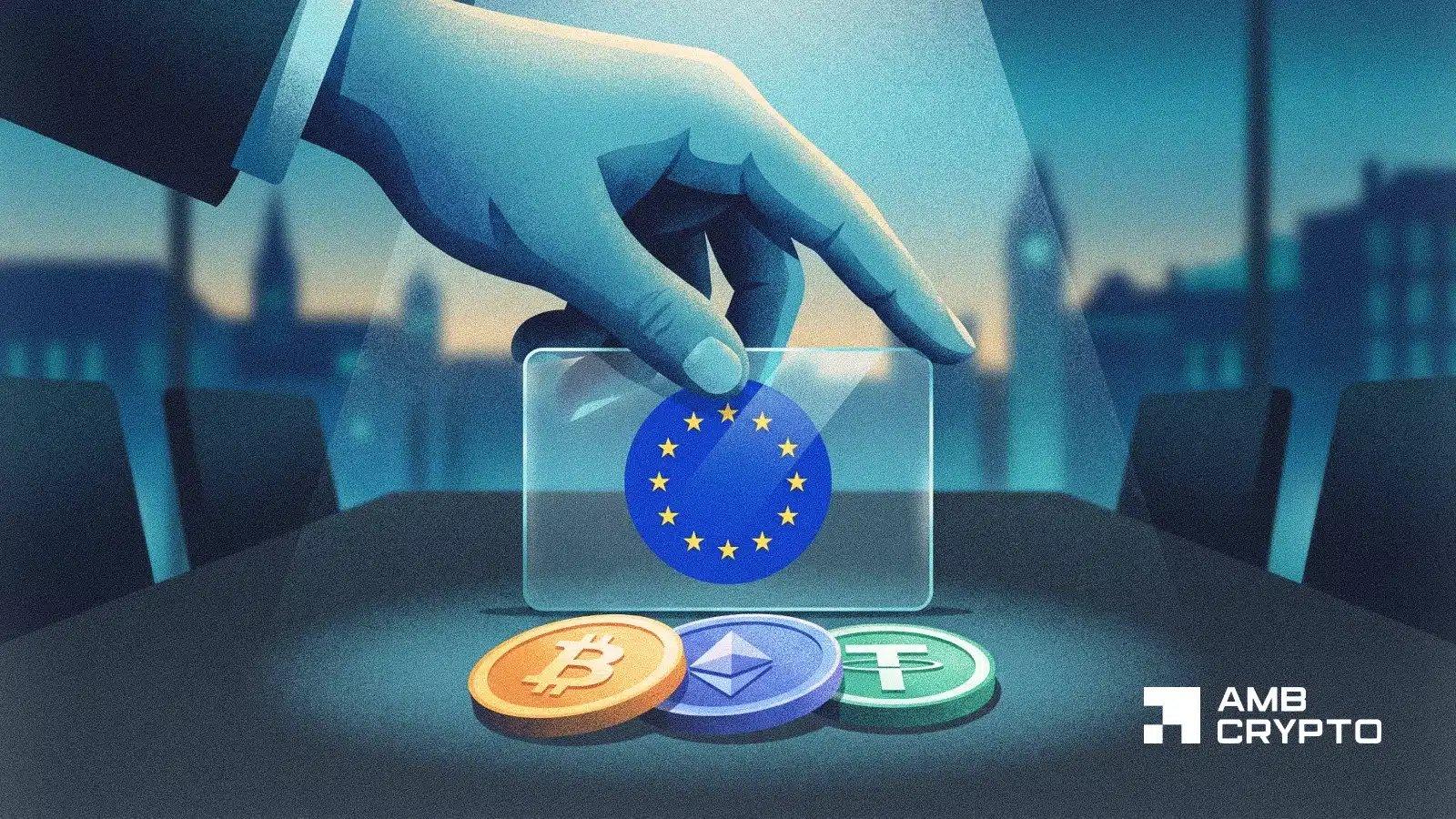
Binance's regulatory challenges have significantly affected its European operations, particularly following the missed deadline for obtaining a MiCA license in the EU. As of July 1st, the exchange suspended all trading activities in France and several other EU markets.
This suspension has left many users with limited options, primarily allowing them to withdraw their assets. Before this interruption, Binance catered to nearly two million customers in France alone. As a result, the regulatory delay has transitioned from a compliance issue to a significant access barrier for users.
User Reactions and Asset Transfers
In light of the changes, numerous Binance customers are now opting to transfer their assets either to exchanges that hold MiCA licenses or to personal self-custody wallets. This shift indicates a growing concern about the continuity of services on the Binance platform.
Financial Implications and Competitor Advantage
Despite the suspension, Binance has reported net withdrawals approximating $1.6 billion monthly. However, the platform retains around $114 billion in crypto assets, suggesting that while users are moving their assets, significant liquidity remains untouched. The eventual approval of licensing could play a critical role in determining whether Binance can regain its market position or if competitors strengthen their foothold in this evolving landscape.
As Binance navigates these regulatory obstacles, licensed crypto exchanges are starting to benefit from the trading activities displaced by Binance’s restrictions. MiCA-compliant Virtual Asset Service Providers (VASPs) are capturing a growing share of the market, thanks to improved liquidity options. For instance, data from DeFiLlama shows that Kraken currently provides approximately $431 million in spot liquidity across 1,703 markets, followed by Coinbase with nearly $347 million in 1,073 markets and Crypto.com with about $131 million. These figures demonstrate how compliant exchanges continue to attract user interest.
Long-Term Effects on the European Market
The shift in trading activity may simply reflect a temporary transition towards platforms with greater liquidity. Nonetheless, this movement signifies a potential lasting change in the competitive landscape among exchanges. If Binance fails to restore its MiCA services significantly, licensed VASPs are likely to continue drawing both liquidity and long-term trading activity within Europe. As a result, Binance faces mounting challenges that could redefine its role in the European crypto market going forward.