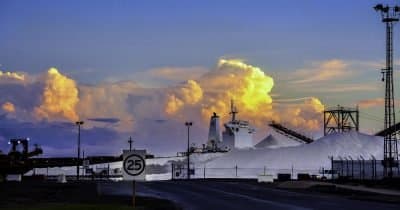
Workers at BHP Group’s operations in Port Hedland will embark on an eight-hour strike on July 16, representing the first labor action at this critical iron ore export terminal since 2000. The potential disruption could affect shipments worth up to A$120 million daily.
The strike is organized by the Combined BHP Ports Union following lengthy negotiations for a new four-year enterprise agreement concerning wages and working conditions that have reportedly stalled for six to seven months.
Approximately 200 to 250 of the 450 workers at the terminal are expected to participate in the stoppage. This event is noted as the largest industrial action at BHP in over three decades.
Given that iron ore is fundamental to global steel production and that China is the largest consumer of this commodity, even minor interruptions at major export terminals can significantly impact market prices.
If the strike were to extend, the financial implications could escalate for BHP, despite the company being able to absorb a single day’s revenue fluctuation fairly easily.
This situation highlights the ongoing challenges within labor relations and supply chain stability in the resources sector, an area in which BHP has previously explored blockchain technology to enhance operational efficiency.
This content is for informational purposes only and should not be considered financial advice.