Base Network Explains Dual Outages: Sequencer Race Condition Was the Culprit
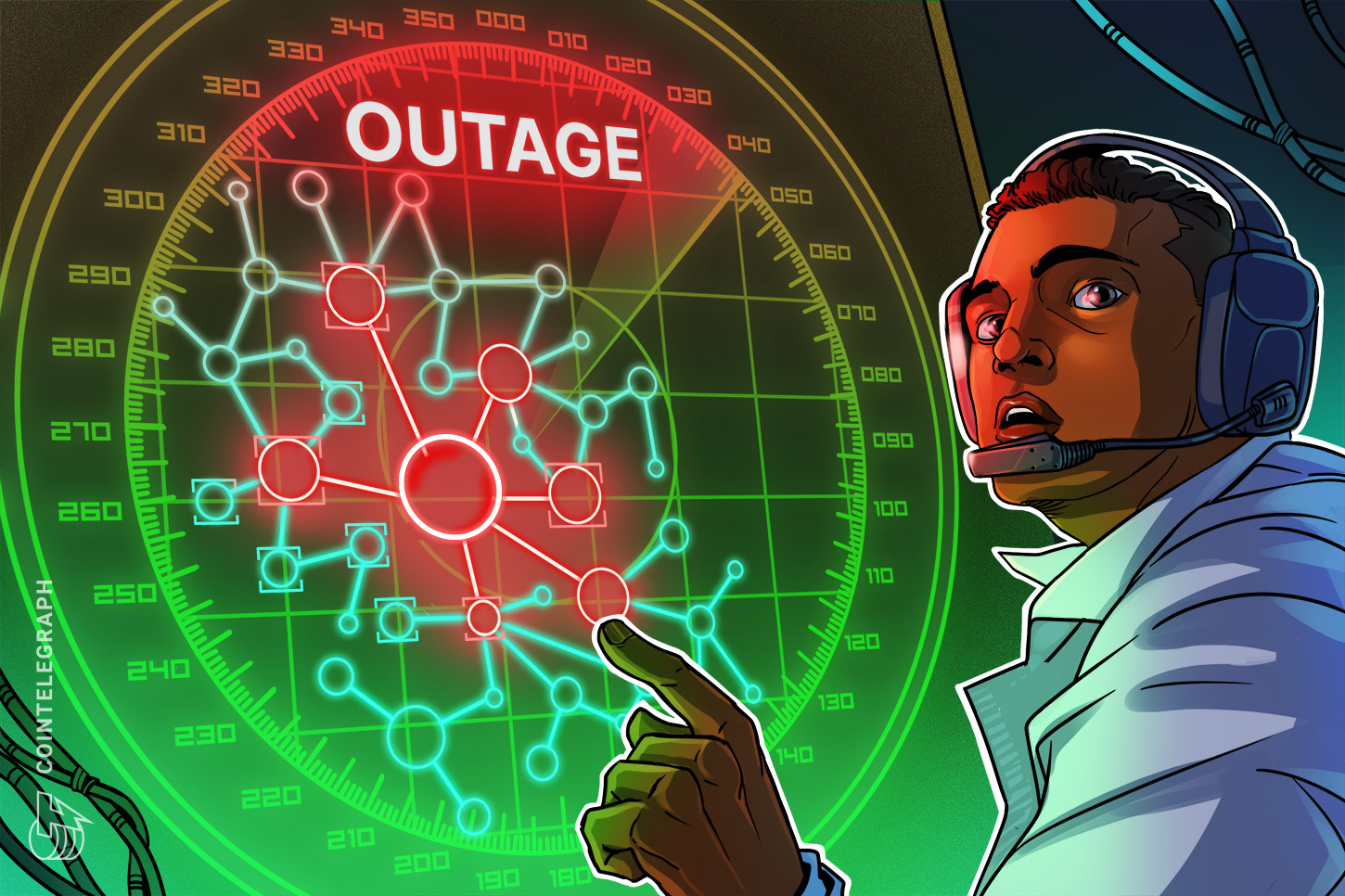
Coinbase's Layer 2 network Base has published a detailed post-mortem report shedding light on the technical failures responsible for two consecutive outages that disrupted the platform. According to the findings, a sequencer bug triggered a series of events that ultimately caused back-to-back service interruptions, leaving users unable to process transactions for an extended period.
The root cause of the incidents traces back to what engineers describe as a "race condition" — a technical scenario in which two or more processes attempt to execute simultaneously, producing unpredictable and often erroneous outcomes. This type of bug is notoriously difficult to detect in advance, as it typically only manifests under specific timing conditions that are hard to replicate in standard testing environments.
According to the post-mortem, the first outage prompted the Base team to initiate a system reset in an attempt to restore normal operations. However, the reset itself inadvertently triggered the race condition, which then prevented the sequencers from properly catching up with the network's transaction queue. The sequencers — software components responsible for ordering and processing transactions on the Layer 2 network — became stuck, unable to resume their function, which directly led to the second outage.
The cascading nature of the incident highlights the risks inherent in complex blockchain infrastructure, where an attempted fix can sometimes compound the original problem. Base's engineering team acknowledged the severity of the situation and emphasized that they have since implemented measures aimed at preventing similar failures in the future.
Base is one of the most prominent Layer 2 solutions built on the Ethereum network, backed by Coinbase and widely used for decentralized applications and token transfers. Its growing adoption makes infrastructure reliability a critical concern for both developers and everyday users who depend on the network for financial transactions.
The publication of a thorough post-mortem is generally viewed positively within the crypto community, as transparency around failures builds trust and allows other teams to learn from the incident. Developers and analysts have already begun discussing the broader implications of race conditions in sequencer design, calling for more rigorous stress-testing protocols across Layer 2 solutions industry-wide.
Base has not yet disclosed a precise timeline for when all affected users were fully restored to normal service, but the team confirmed that the network is currently operating as expected. The incident serves as a reminder of how even well-resourced blockchain projects can face unexpected technical challenges as they scale.
Read Also
SHIB Whales Quietly Accumulate: Over 443 Billion Tokens Leave Exchanges as Oversold Conditions Deepen
June 28, 2026
TRUMP Memecoin Surges Following $36M Binance Withdrawal — Will the Rally Hold?
June 28, 2026
Brian Armstrong Addresses Backlash Over High-Risk Product Promotions on the Base App
June 28, 2026