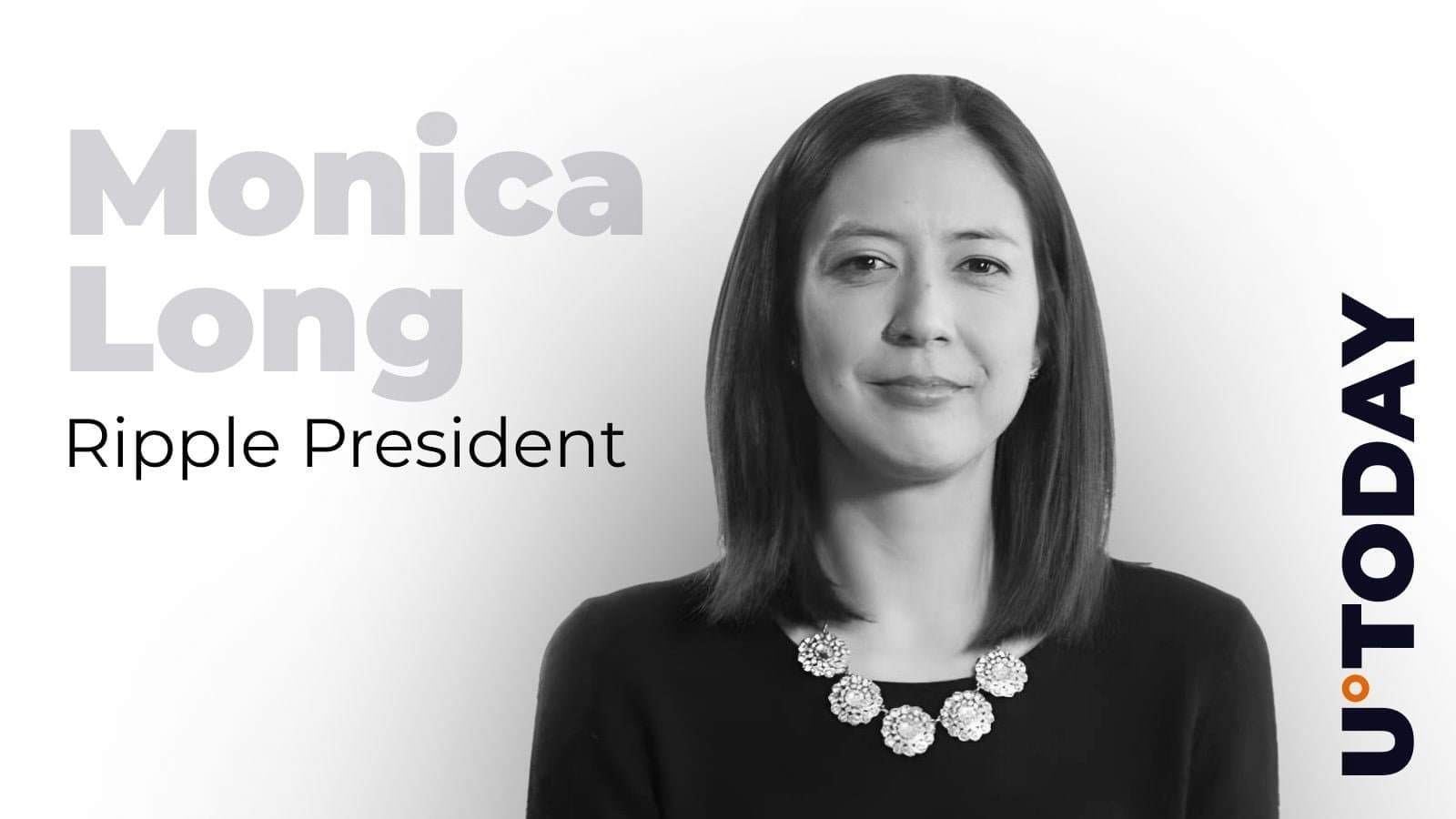
Monica Long, Ripple's president, just made something clear: the bank experiment phase is over. Financial institutions have flipped a switch from running isolated pilots to actually issuing and trading tokenized assets on the XRP Ledger. The company's fresh investments in ZILO and Licuido aren't random bets. They're infrastructure plays responding to a market shift that's already created nearly $4 billion in real assets on the network.
Long described the change as a "light switch flip." One moment banks were testing blockchain in sandboxes. The next, they're launching dollar liquidity funds and money market funds that live on-chain 24/7. That's not theoretical anymore. Aviva Investors, a major investment firm, just launched a dollar liquidity fund on XRPL. When institutions that size move, they bring demand for actual plumbing, not just proof-of-concept.
The infrastructure gap that Ripple is filling
Ripple's new deals target two specific problems institutional capital markets need solved. Regulated transfer agents and collateral management tools. Without them, moving billions of dollars onto blockchain stays stuck in regulatory limbo. The company is betting that once those technical hurdles drop, the money flows faster. Ripple USD (RLUSD), already at $759 million in circulation, forms the liquidity foundation. Add proper custody solutions and settlement infrastructure, and you have a functioning market.
The timing matters. BlackRock opened blockchain gates to $311 billion in European money market funds earlier this year. That's not just one bank moving. That's the entire asset management world recognizing that on-chain settlement beats traditional plumbing. Ripple's investments in ZILO and Licuido aren't chasing hype. They're building the rails for capital that's already decided to move.
Why this matters beyond Ripple
The shift from pilots to production changes the entire competitive landscape. Banks need interoperability, speed, and regulatory clarity. The networks that provide all three win. Ripple's play here is straightforward: own the infrastructure layer that institutions can't live without. XRPL already has the asset base. Now it needs the operational backbone.
Long's confidence isn't just talk. A $3.97 billion on-chain base of real-world assets suggests the market is already voting with capital. When major institutions launch funds instead of running tests, the narrative flips from "will blockchain work for finance" to "which blockchain will finance use." For now, that answer is pointing toward XRPL.
This article is for informational purposes and should not be considered financial advice. Cryptocurrency and blockchain markets are highly volatile and speculative. Always conduct your own research and consult with qualified financial professionals before making investment decisions.