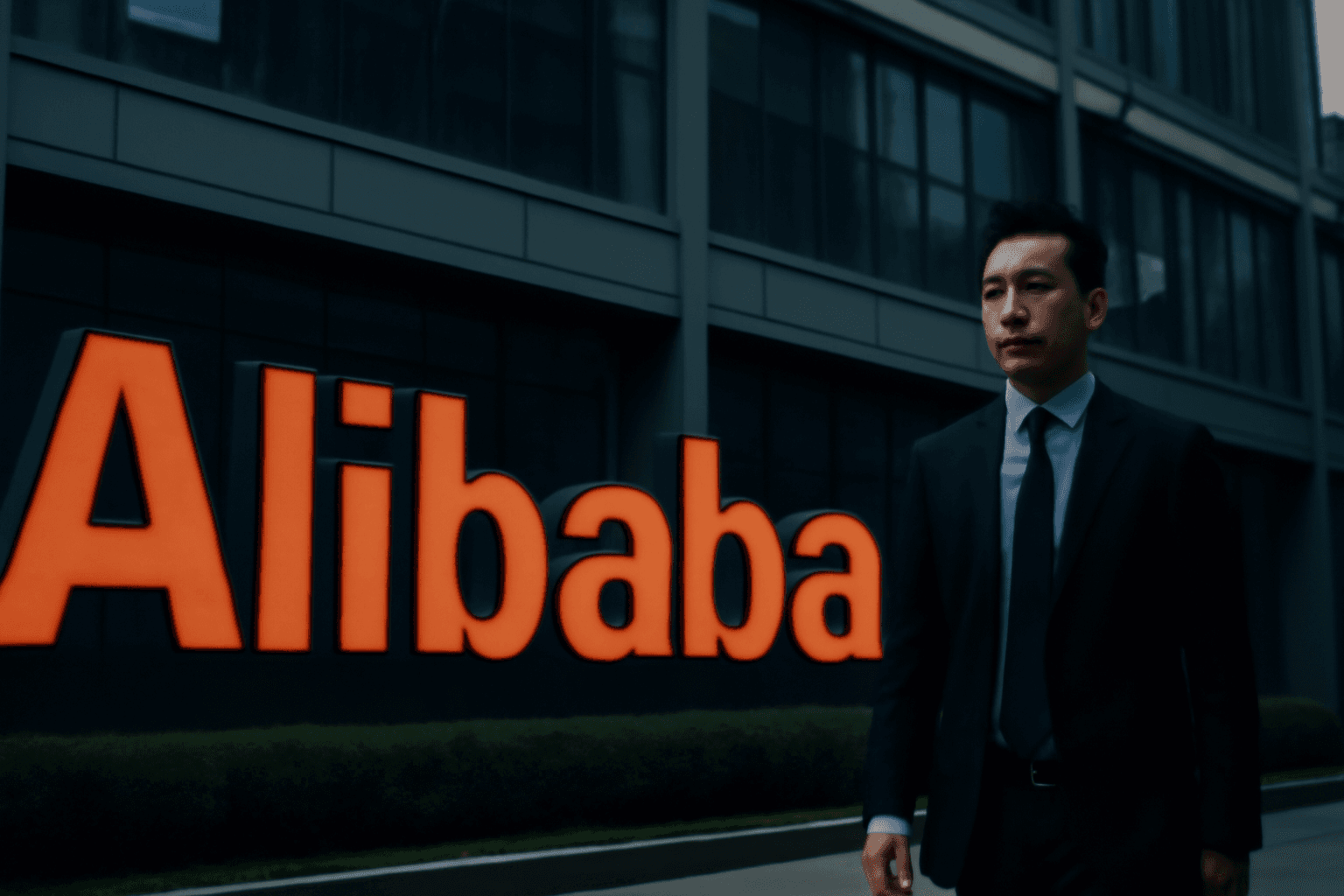
Alibaba Group Holding has prohibited its employees from utilizing Claude Code due to security concerns related to potential backdoor risks. The decision intensifies a growing dispute with Anthropic, which has accused Alibaba of appropriating its AI outputs for an extensive model distillation effort.
Importance of This Development
This incident highlights the increasing scrutiny and compliance pressures concerning AI models, particularly in a cross-border context. As AI technologies evolve, ethical and secure use becomes crucial in maintaining trust and compliance with international regulations.
- Ban effective from July 10, 2023.
- Claude Code placed on Alibaba's high-risk software list following security evaluations.
- Hidden mechanisms in Claude Code reportedly checked user environments.
- Anthropic's accusation cites one of the largest AI distillation attacks to date.
Alibaba's ban follows concerns raised by its developers regarding the coding tool's functionalities, which included monitoring elements like time zones and proxy information. The tool's subtle incorporation of markers into prompts directed at Anthropic’s servers has drawn significant backlash.
In a recent announcement, Alibaba classified Claude Code as high-risk following an internal security review. This prompted the company to instruct employees to uninstall all related Anthropic models and redirect them to its proprietary AI assistant, Qoder. This shift reflects a broader trend within Chinese technology firms towards local and open-source solutions, such as Qwen, DeepSeek, Moonshot, and Zhipu.
Ongoing Conflict Over AI Model Use
The disagreement deepened after Anthropic communicated with the U.S. Senate, accusing Alibaba of illicitly attempting to leverage its AI technology. Reports indicate that the alleged distillation attempt might expedite Chinese access to advanced AI capabilities, which has raised alarm over model protection and regulatory enforcement across borders.
A source familiar with the situation noted that implementing restrictions against individuals using U.S.-based servers remains a challenge, yet companies face legal and compliance risks when deploying restricted AI applications.
Future Developments to Watch
As this dispute unfolds, industry watchers should keep an eye on the implications for cross-border AI technology access, regulatory changes, and potential impacts on collaboration among cloud service providers. With technology regulation evolving, companies must remain vigilant about compliance.
This material is for informational purposes only and is not financial advice.